Top stories of the day

Technology — Page 4

Technology

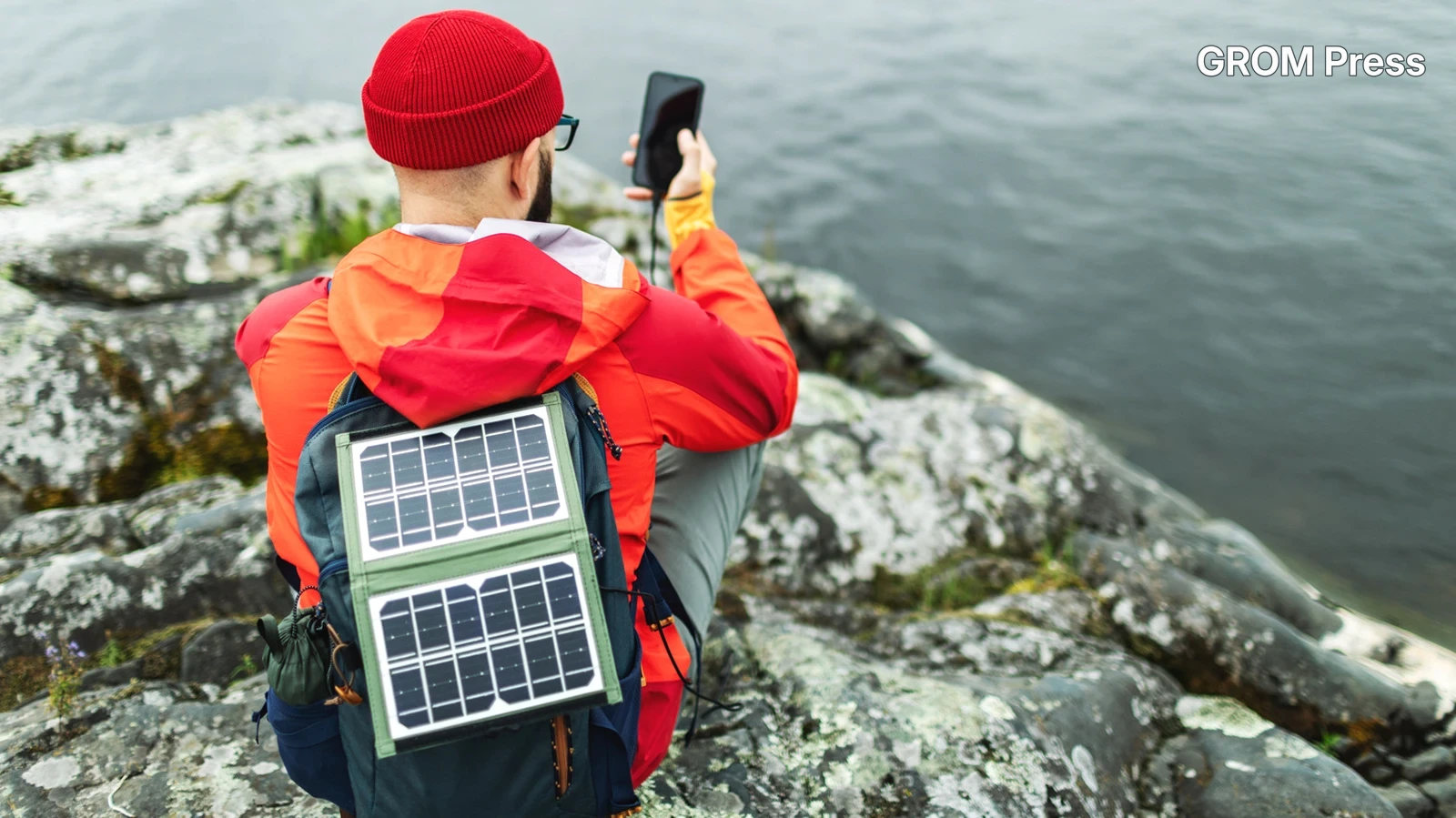
How to charge a phone with a portable solar panel

The guide explains three types of solar chargers: panel-only models that convert sunlight directly without storage, chargers with built-in batteries for later use, and portable power stations that can charge several devices at once. It advises choosing 15-50 watt models for phones, noting that cloud cover and panel angle reduce real output, and recommends checking ports, foldability, stands, backpack clips and safety features such as water resistance and overcharge protection.

Technology

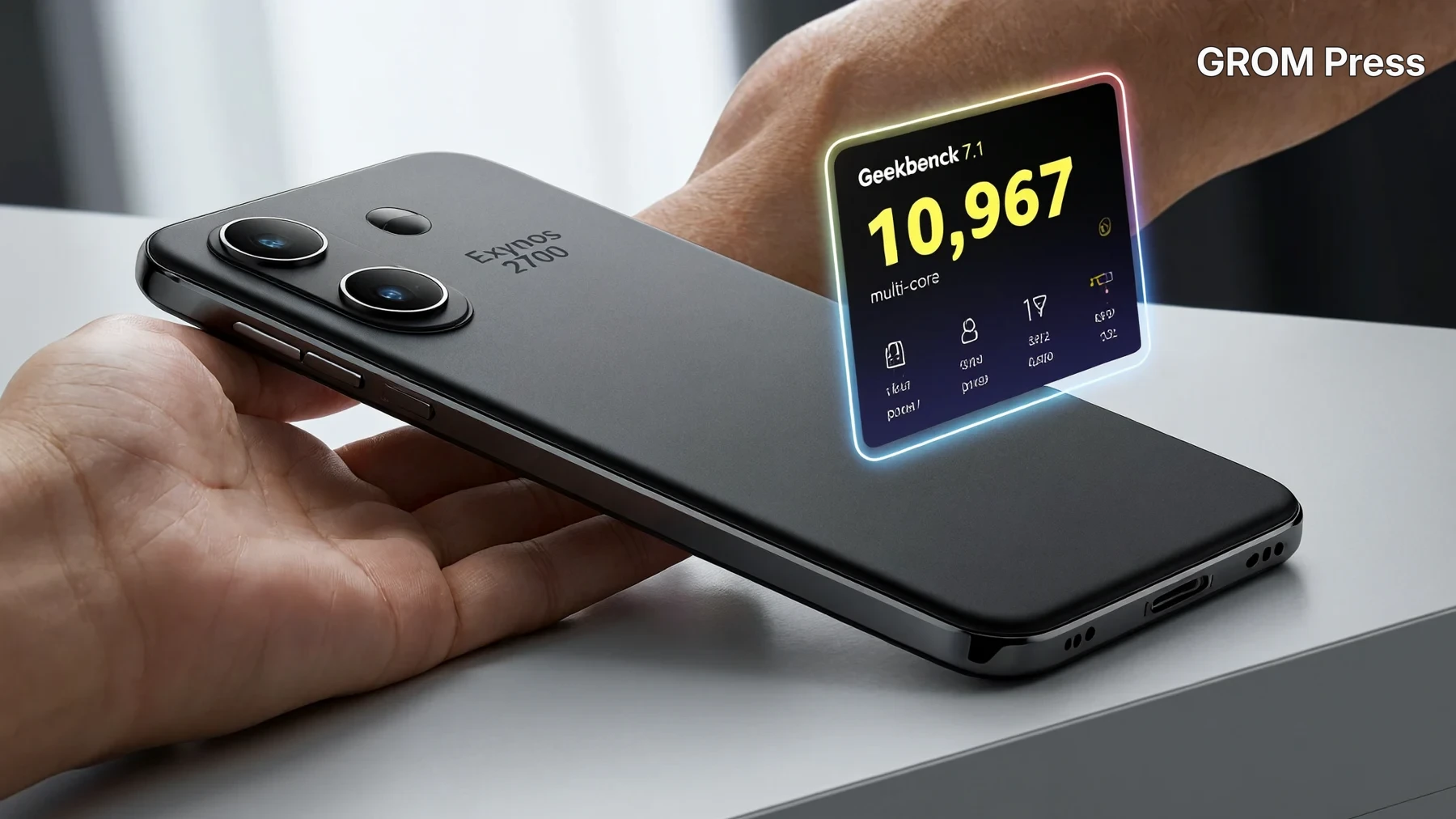
Galaxy S27 Pro with Exynos 2700 posts first Geekbench 7.1 results, beating Xiaomi 18 Pro Max by 15 percent in multi-core

The Galaxy S27 Pro (SM-S957B) with Samsung’s Exynos 2700 scored 3,061 single-core and 10,967 multi-core points in Geekbench 7.1. The chip’s 10-core CPU includes one core at 4.24GHz, one at 3.36GHz and four at 3.01GHz. Insiders previously claimed it outperformed the Snapdragon in the Xiaomi 18 Pro Max by about 15 percent in Geekbench 7 multi-core testing.

Technology

Sakhalin tests Zala Ural-25S radio station with drone relay

Tests on Sakhalin established stable communication between a border vessel and the Pushistyy droneport command post using a Zala Ural-25S radio station and a Zala T-16 drone as a relay. The station can create a self-organizing peer-to-peer network with multihop relaying and operates for up to seven days in standby mode. It also integrates with the offline ZOV Maps geoinformation system for coordination without cellular or internet coverage.

Technology

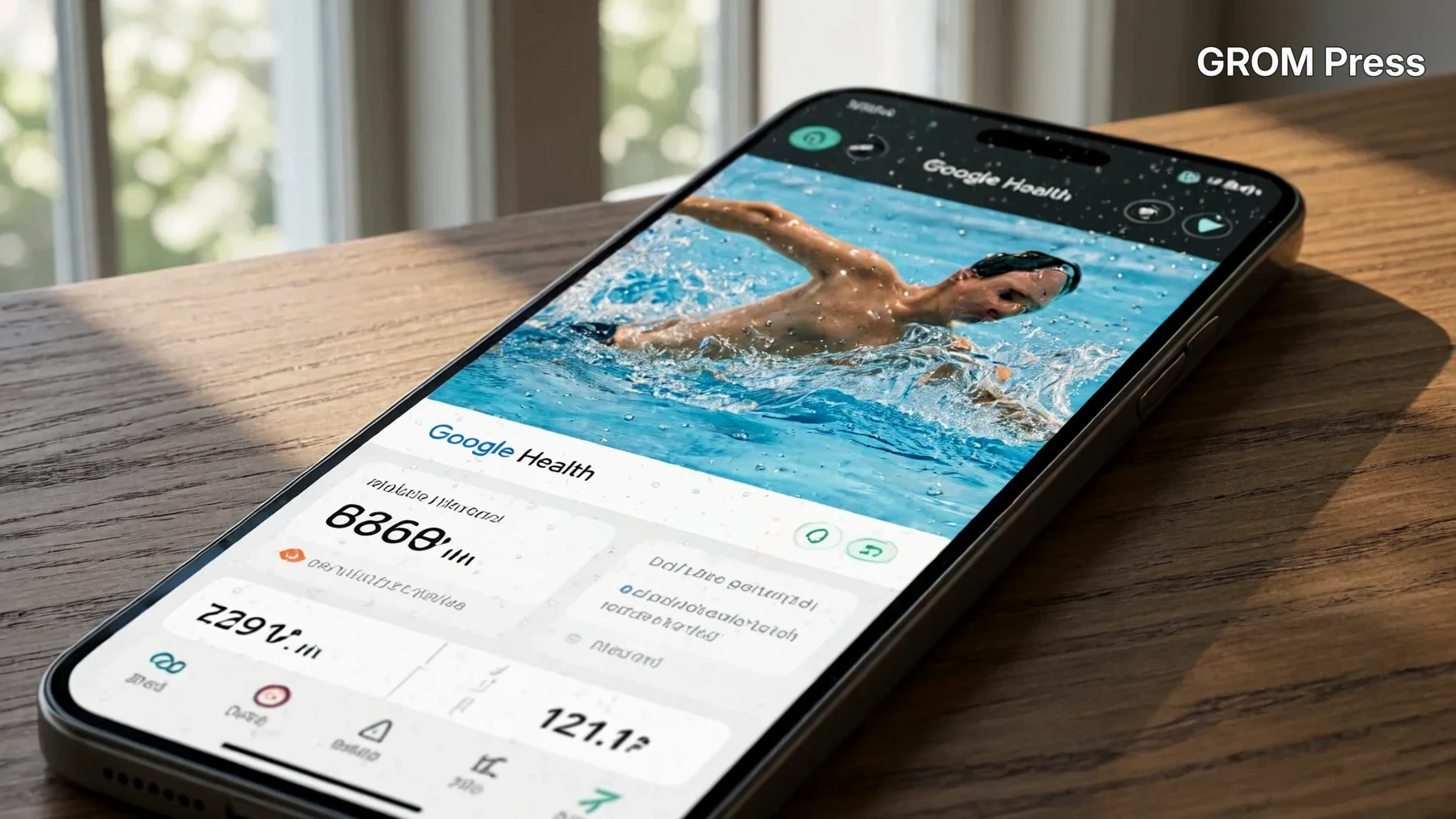
Google Health 5.13 rolls out with workout, meal and profile updates

Google Health version 5.13 is rolling out to Android and iOS users and is expected to be widely available within a week. The update adds improved workout tracking, new swimming controls, better food search and more inclusive profile settings, fixes an Apple Health syncing issue, and ends third-party app support for select Fitbit watches on November 28.

Technology

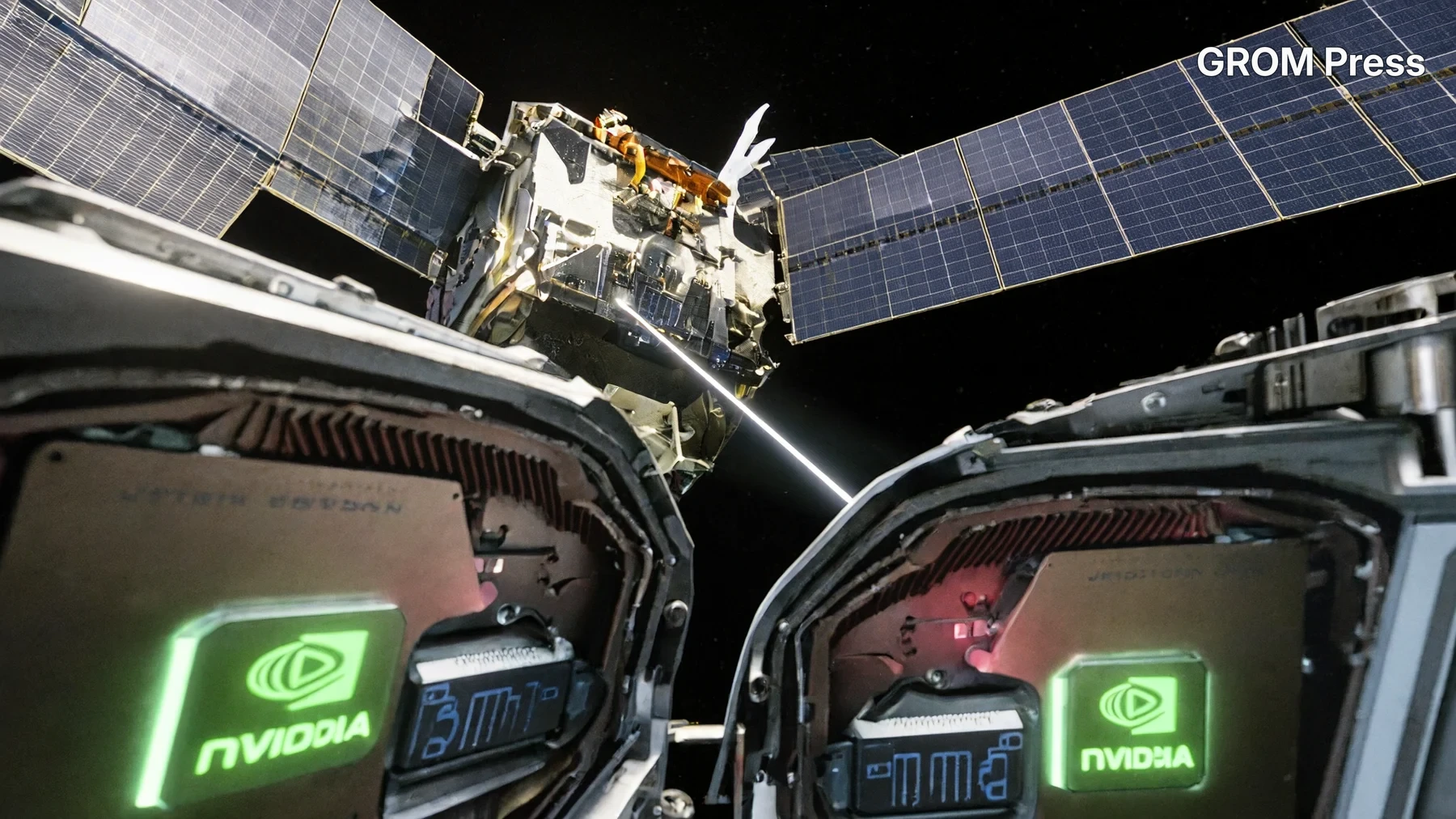
Sophia Space first tested distributed computing platform on two Kepler satellites

Sophia Space has tested its Sophia Orbital Operating System on two Kepler Communications satellites, linking their processors into a single orbital computing network via an optical link. The company plans to use the platform for AI models in orbit and has already signed one paying customer, with another potential client. The first TILE computing modules are planned for launch in 2028.

Technology

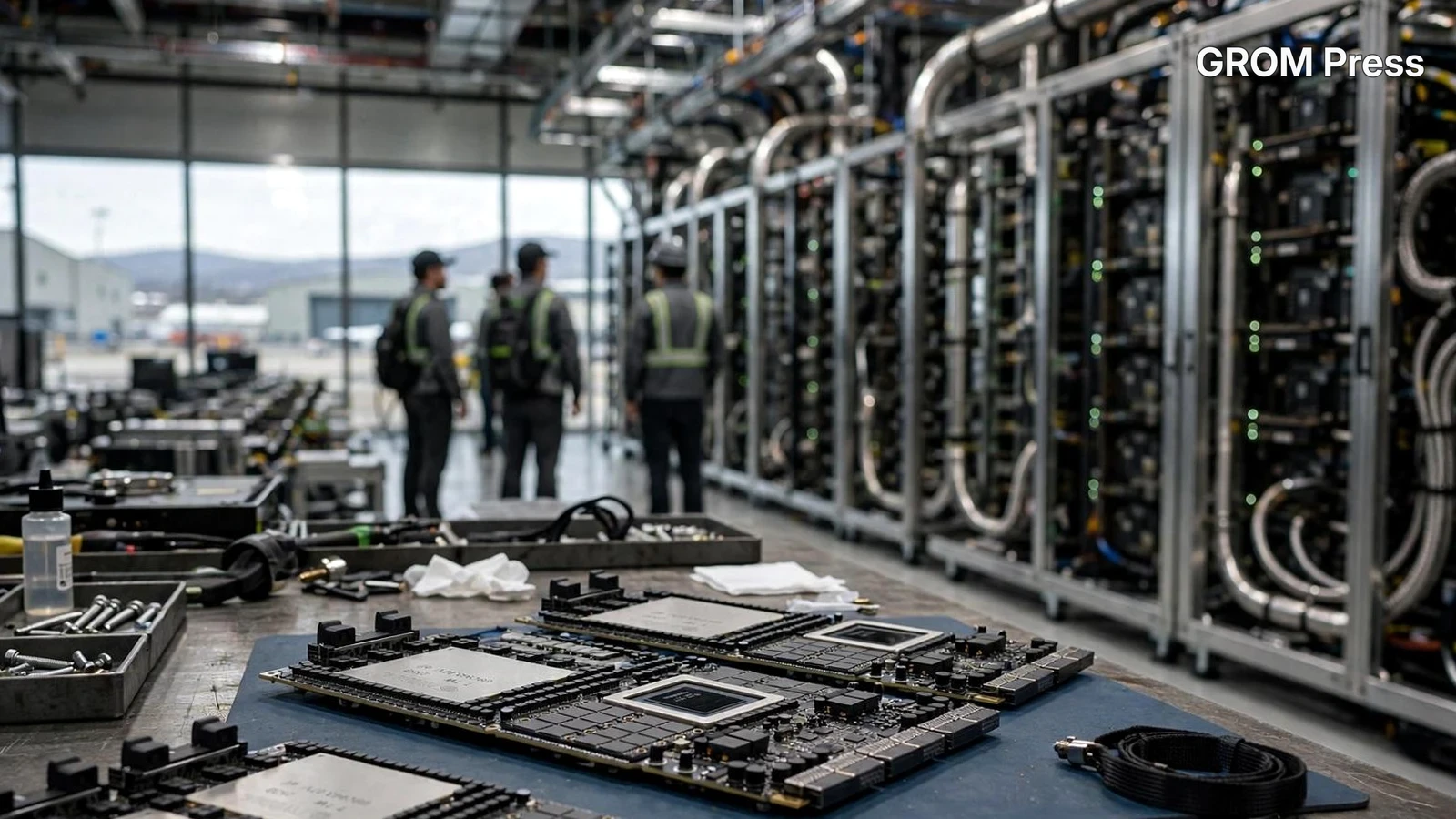
Apollo and Goldman Sachs arrange $44 billion debt placement for SpaceX GPU purchase

Apollo and Goldman Sachs announced a $44 billion debt placement to finance the purchase of Nvidia computing accelerators and related equipment for SpaceX, calling it the largest GPU procurement financing in history. Investor demand exceeded the offering size, leading organizers to increase it. Anchor funding commitments came from funds and accounts managed by BlackRock, Goldman Sachs Asset Management, and capital advised by KKR. Apollo and Goldman Sachs served as joint global coordinators.

Technology

Deloitte: more than a third of households cut streaming subscriptions as costs rise

Deloitte reports that 36 percent of households have recently dropped a streaming subscription, with 45 percent of respondents saying they pay too much and 64 percent frustrated by rising prices. The average household spends $76 a month on SVOD, while Gen Z spends $83. Forrester found ad-free streaming costs rose 54 percent from 2021 to 2025, and major streamers raised prices again in 2026. About 60 percent of consumers said they would likely cancel their favorite service after a $5 price increase.

Technology

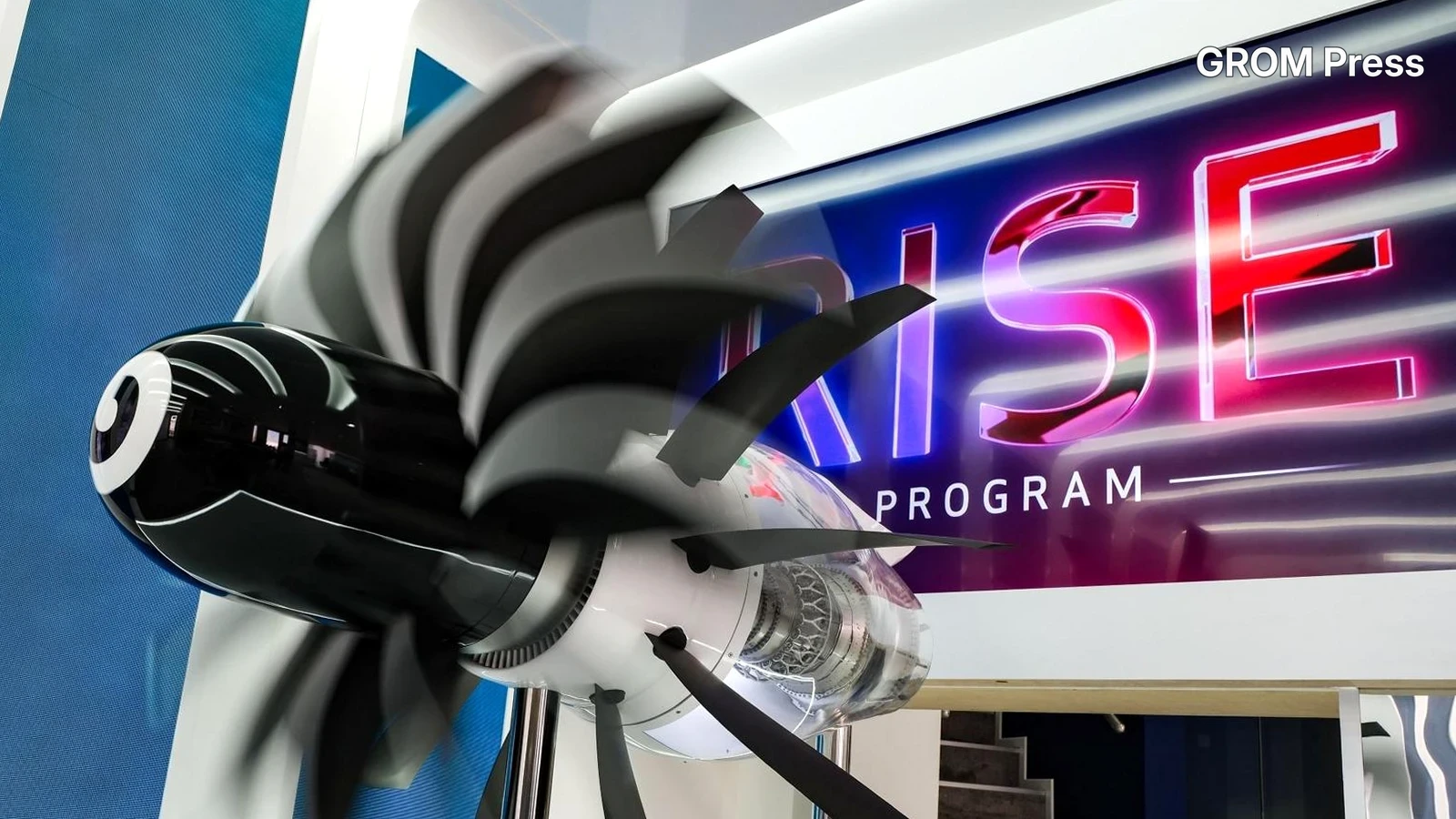
GE Aerospace invests $25 million in UK Open Fan centre to cut fuel burn by over 20 percent

GE Aerospace is investing $25 million in a new innovation centre in Gloucester, UK, to accelerate development of the open-fan engine under the RISE programme. The engine, developed with Safran through CFM International, has no protective casing around the fan and is projected to reduce fuel consumption by more than 20 percent compared with current engines. Airbus also participates in the programme, which has run about 500 tests and more than 10,000 test cycles since 2021. Market entry is expected by the end of the decade.

Technology

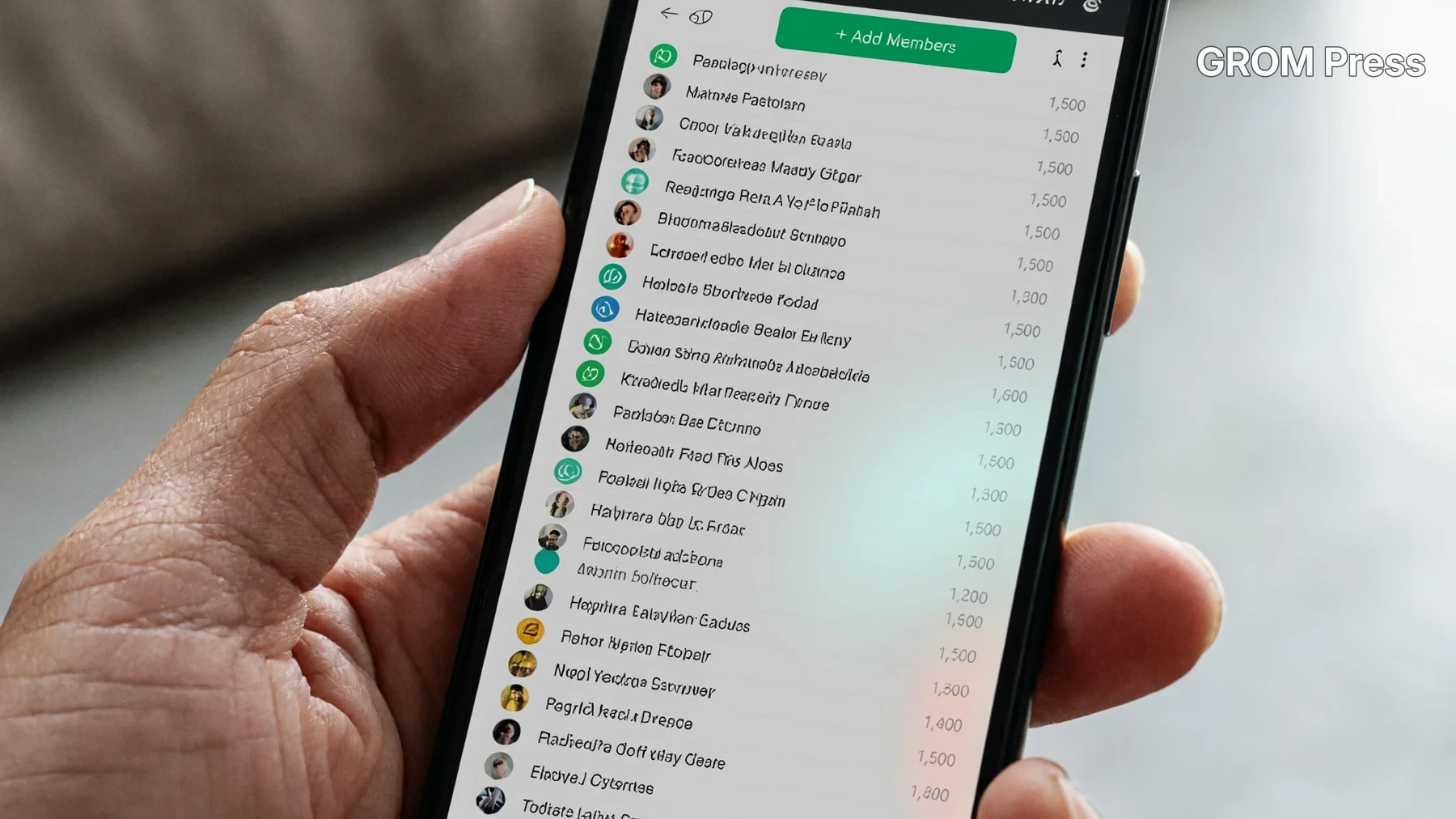
WhatsApp raises group chat limit to 1,500 members

WhatsApp has increased the maximum size of group chats from 1,024 to 1,500 members, according to WABetaInfo. The change applies to both regular group chats and community group chats on Android and iOS, and is rolling out gradually.

Technology

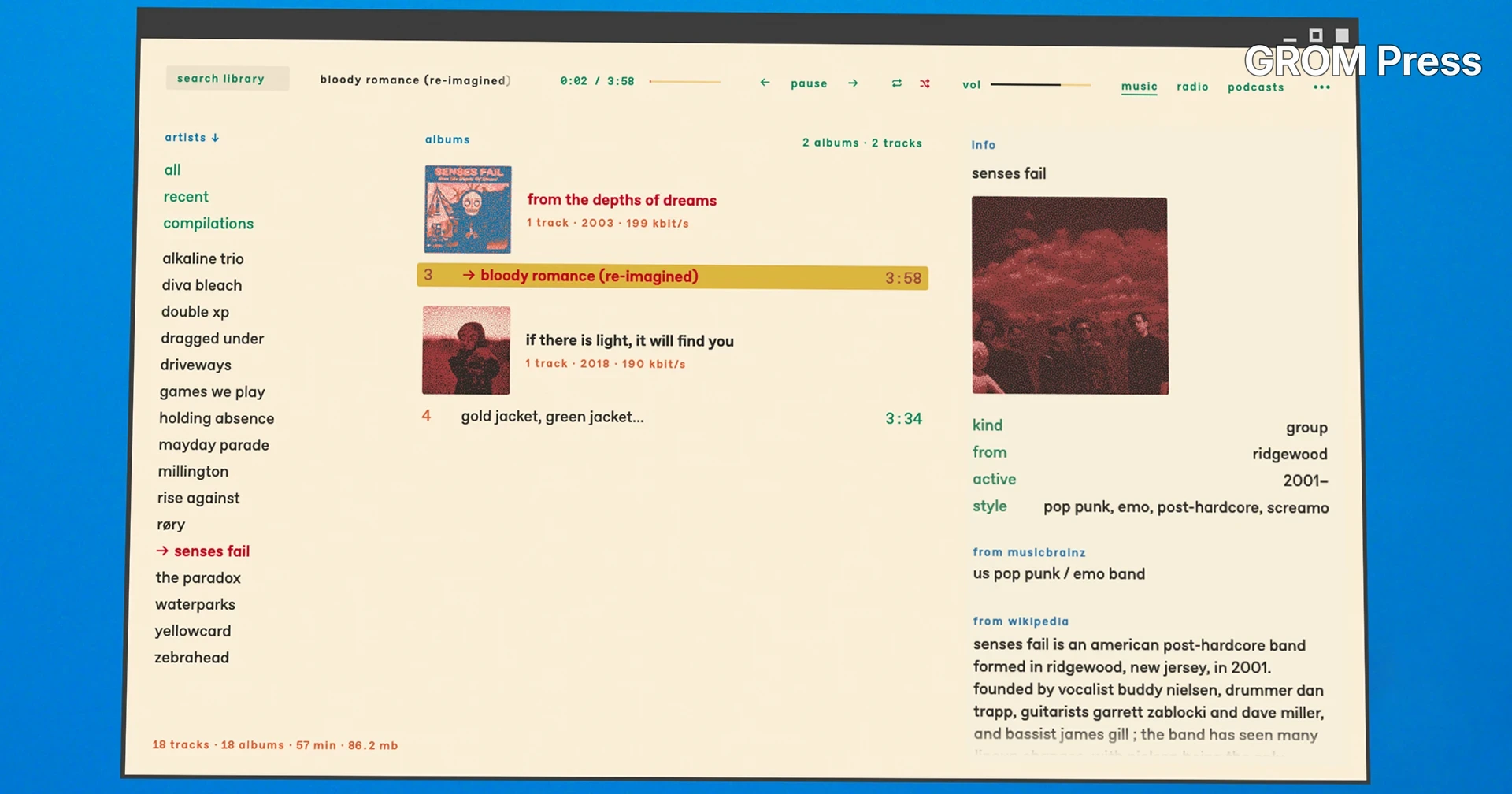
Kessler, an open-source zine-style music player with iPod support, is released

Felix, an artist and designer from Germany, has released Kessler, an open-source local music player built in Rust with a zine-style interface, dithered album artwork, and support for syncing music to Apple iPods. The app, which was developed with the help of the Claude coding assistant, runs on macOS and Linux, including ARM64, and is available on GitHub.

Technology

Fast internet does not guarantee low ping, and home congestion or server distance may be to blame

High download speeds do not ensure responsive online games or video calls because ping measures round-trip response time, not bandwidth. Home congestion from uploads, downloads or many active devices can create bufferbloat and jitter, while connecting to distant game servers adds latency regardless of plan speed. Testing ping under load, using wired connections, checking QoS or SQM settings, and selecting closer game server regions can help identify and reduce the problem.

Technology

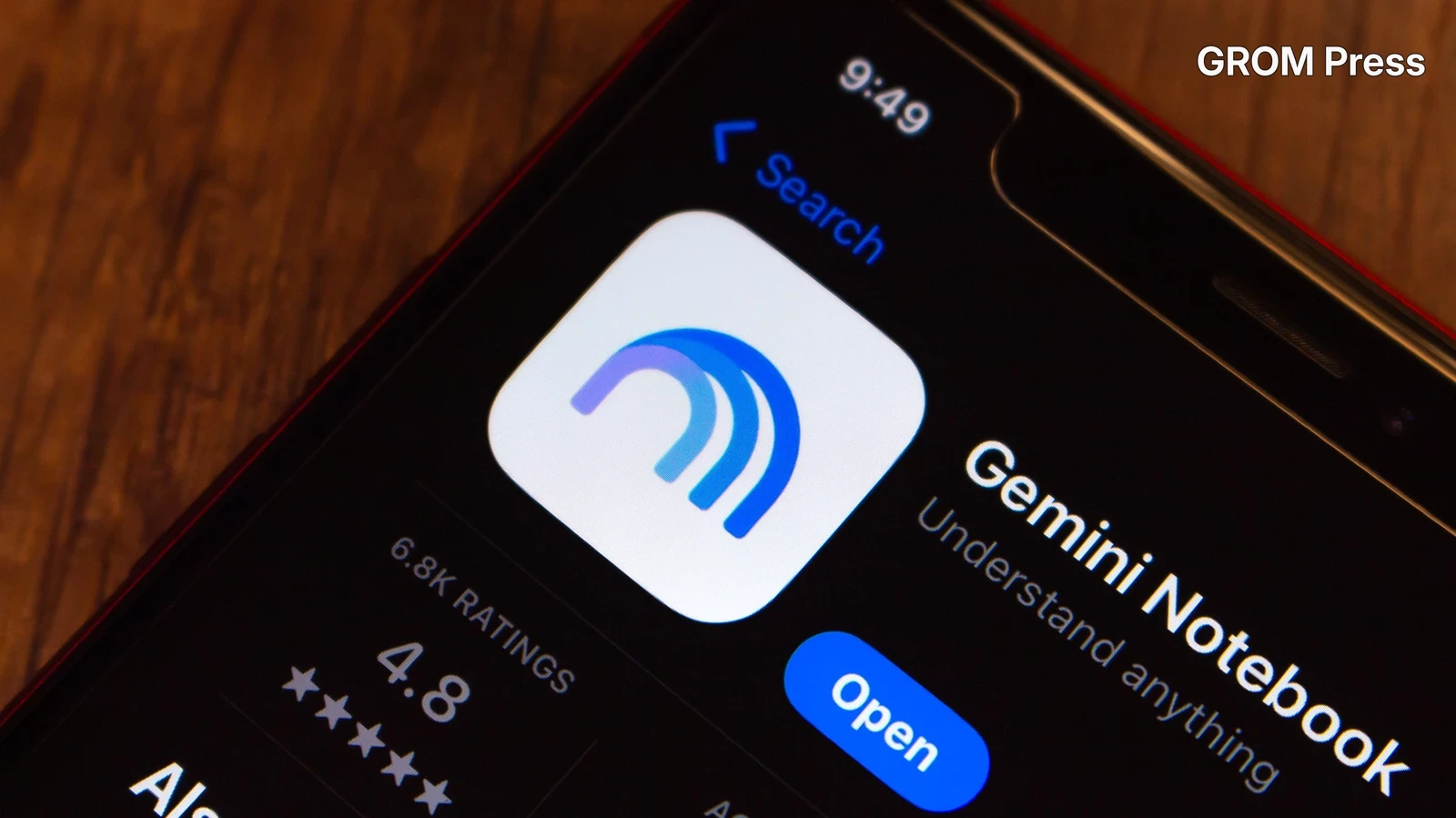
Gemini Notebook adds feature to build interactive websites from sources

Google's Gemini Notebook, formerly NotebookLM, can now generate an interactive website from uploaded sources such as PDFs, images, links and text. The feature is live on desktop for users aged 18 and older, with a mobile app version coming soon. Users type "make me a site" in the chat box, and the service creates clickable sections, flash cards and quizzes. Google also suggests project trackers and sales dashboards as possible uses. The article warns that the AI may hallucinate or confidently misstate facts, citing the Oort cloud as an example.

Technology

Phone metal detector apps use the built-in magnetometer and only find ferromagnetic metals

Smartphone metal detector apps read the device's magnetometer, a compass sensor standard since the iPhone 3GS era, and alert when ferromagnetic metals such as iron, steel, nickel or cobalt disturb Earth's magnetic field. They cannot detect gold, silver or most jewelry, and their range is far below that of dedicated detectors, which generate their own electromagnetic field to find conductive metals. Experts advise treating free apps as a limited way to locate small dropped items like screws, nails or blades, and avoiding paid apps or apps promising precious metals.