Sophia Space first tested distributed computing platform on two Kepler satellites
Sophia Space has tested its Sophia Orbital Operating System on two Kepler Communications satellites, linking their processors into a single orbital computing network via an optical link. The company plans to use the platform for AI models in orbit and has already signed one paying customer, with another potential client. The first TILE computing modules are planned for launch in 2028.
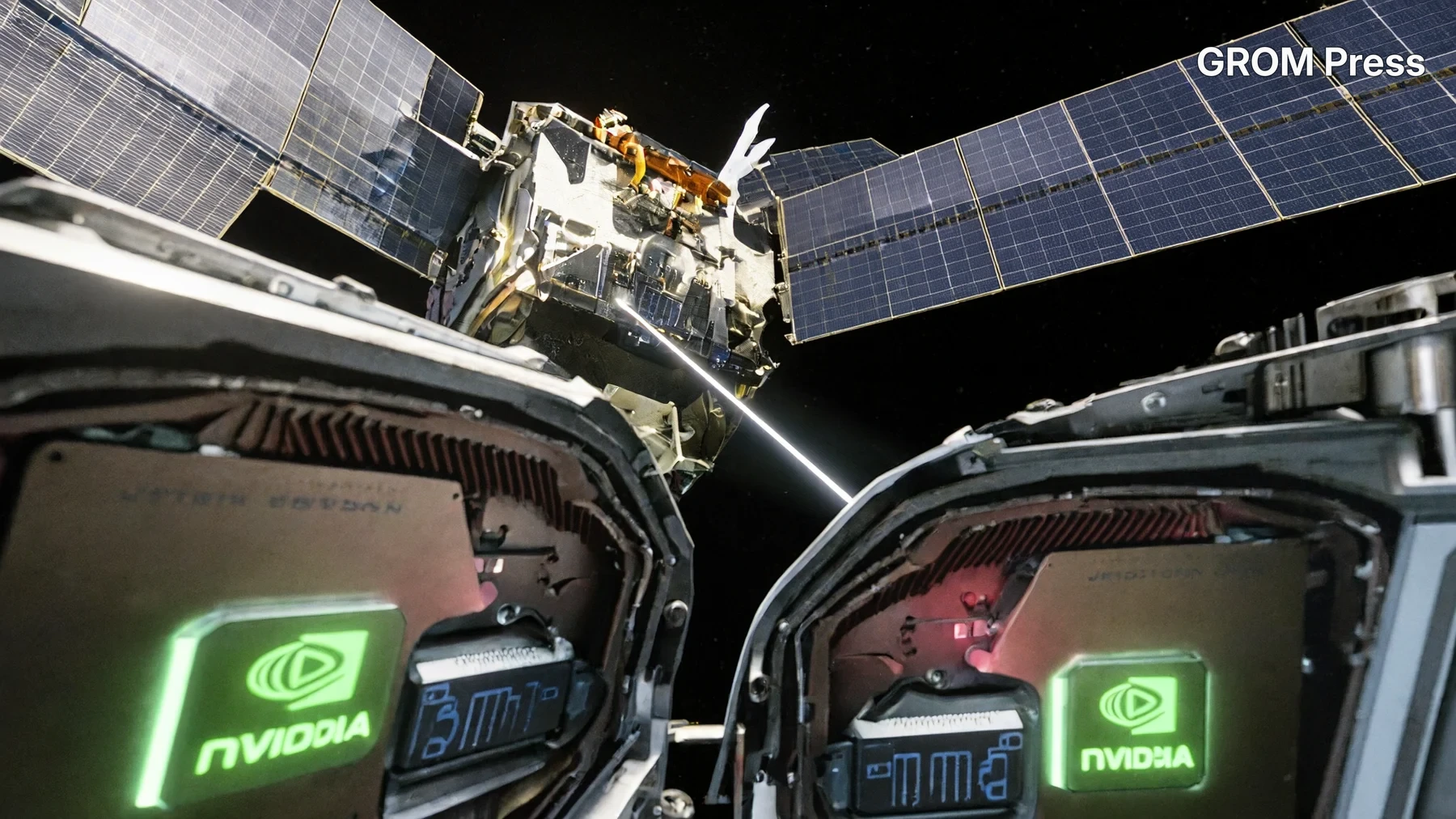
American company Sophia Space has tested its Sophia Orbital Operating System (SOOS) directly in orbit for the first time. The platform was deployed aboard two satellites of Canadian company Kepler Communications and combined their processors into a shared computing network. The main result of the test was successful communication between the two spacecraft through an optical channel, according to the information provided about the trial.
The purpose of SOOS is to distribute computing workload across several satellites so that data can be processed directly in orbit instead of transmitting all information to Earth or tying computations to a single spacecraft. The platform is based on Kubernetes, open-source software for deploying and managing applications across a group of computers. Sophia is developing SOOS as the basic software layer for future orbital computing modules called TILE.
The test proceeded in several stages. Sophia first transferred the alpha version of SOOS to the processor of the first Kepler satellite. The program checked its own operability, copied itself to two more processors, and formed a local network, leaving the fourth processor in reserve. The system then moved through the optical communications channel to the second satellite and repeated the procedure. Three processors were used on each spacecraft, while the fourth remained reserved. The platform also includes built-in security mechanisms and triple redundancy.
Kepler satellites of the Tranche 1 series are already equipped with computing systems based on four Nvidia Jetson Orin processors each. Kepler reported on this equipment in March. According to Rob DeMillo, co-founder and chief executive officer of Sophia Space, the match in the type and number of processors with the configuration of the first TILE modules was coincidental. SOOS adds a software layer to this hardware that allows coordinating computations between different spacecraft as if they operated as a single system.
The company plans to use the platform to run artificial intelligence models directly in orbit. Possible tasks include missile launch warning, maritime situation monitoring, disaster response, weather data analysis, and support for manufacturing in space. Sophia has already extended its contract with Kepler to include paid computing services. The company has one signed customer and one potential customer, whose names are not disclosed. Payment is charged for graphics processor use and access to computing resources under a model similar to ground-based data centers.
Before creating its own orbital computing infrastructure, Sophia must test passively cooled TILE hardware in space. The company plans to send the first such modules to orbit in 2028. The next major task is to establish production capable of releasing thousands of servers per month.
Source: GROM.PRESS