How to charge a phone with a portable solar panel
The guide explains three types of solar chargers: panel-only models that convert sunlight directly without storage, chargers with built-in batteries for later use, and portable power stations that can charge several devices at once. It advises choosing 15-50 watt models for phones, noting that cloud cover and panel angle reduce real output, and recommends checking ports, foldability, stands, backpack clips and safety features such as water resistance and overcharge protection.

Main event
The source is a practical guide on using portable solar panels to charge a phone when an electrical outlet is unavailable, such as during hiking, camping or a power outage.
Types of chargers
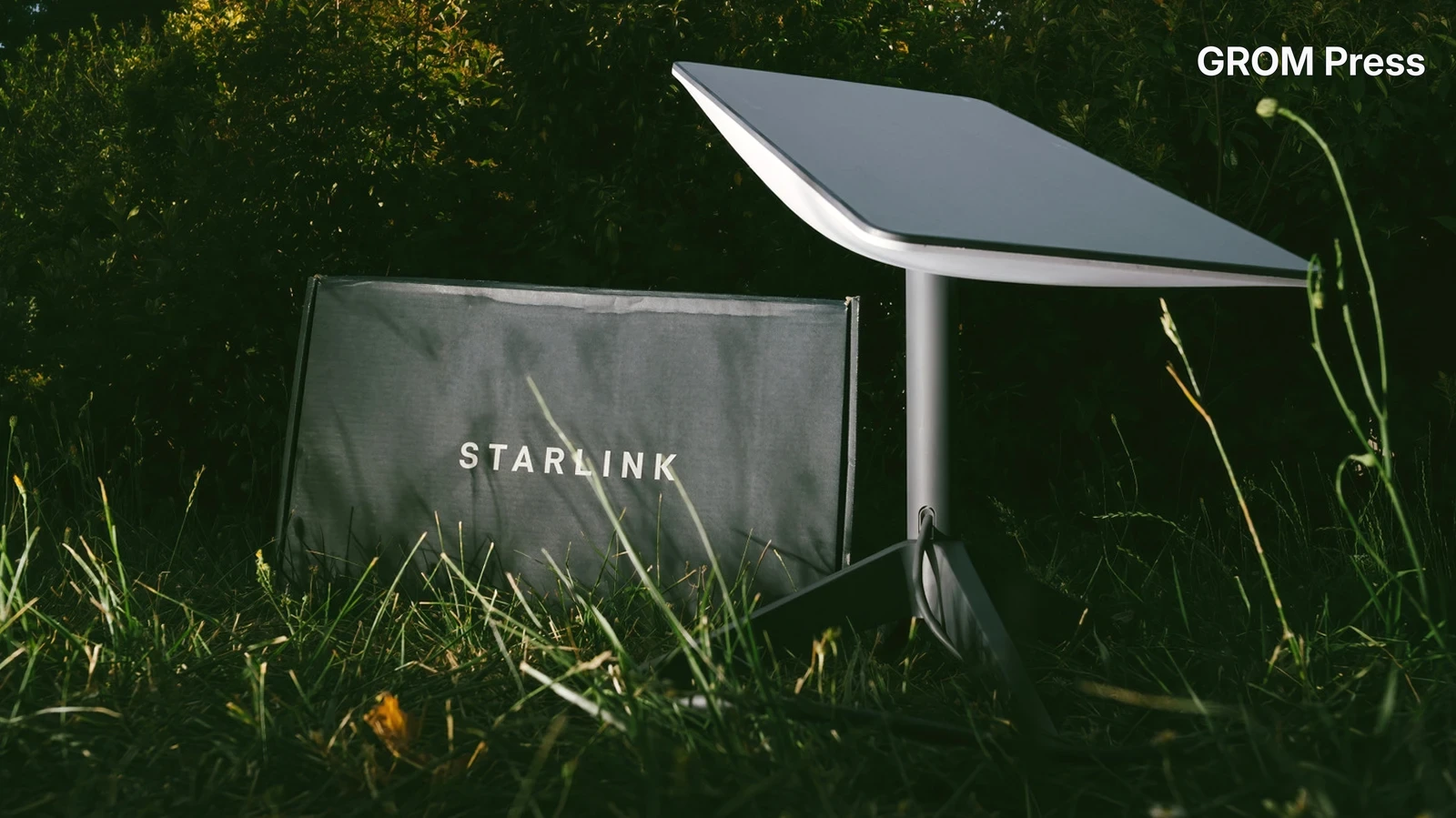
A panel-only charger lets a user plug a phone directly into the panel. The panel converts sunlight into power, but it cannot store energy once captured. This type may suit shorter-term use when it is sunny.
Other chargers combine panels with a built-in battery, allowing energy to be stored and used later. This setup can be convenient for camping over several days and gives the user more control over when charging happens.
A portable power station generally includes battery storage and can charge several devices at the same time. It is usually less portable than the other options, although some compact units weigh as little as 4 pounds.
Choosing a charger
For smaller devices such as a phone, a model producing 15-50 watts should work fine. The listed wattage is not guaranteed in real use because cloud cover and the angle of the panel toward the sun can reduce output. These same factors affect charging time.
The number and type of ports matter. Some chargers let a phone plug in directly through a USB-C port. Portability features include folding designs, stands for better sun positioning, and clips for attaching to a backpack. Safety features to consider include water and weather resistance, overcharge protection and temperature control.
Context and limitations
The guide does not state how long charging takes, how much energy a phone needs, or which specific models perform best. It also does not provide independent test results or verified performance data. All claims about wattage, weight, ports and safety features are presented as general buying advice rather than confirmed product specifications.
Source: GROM.PRESS