Dutch health inspectorate criticises Erasmus MC board over ICU patient safety
The Dutch Health and Youth Care Inspectorate says the Erasmus MC board wrongly maintained that patient safety on the adult intensive care unit was in order, despite years of warning signals about a toxic work culture and psychological safety. The inspectorate has placed the hospital under intensified supervision and questions the board’s learning capacity. The board and supervisory board stand by their response and improvement measures.
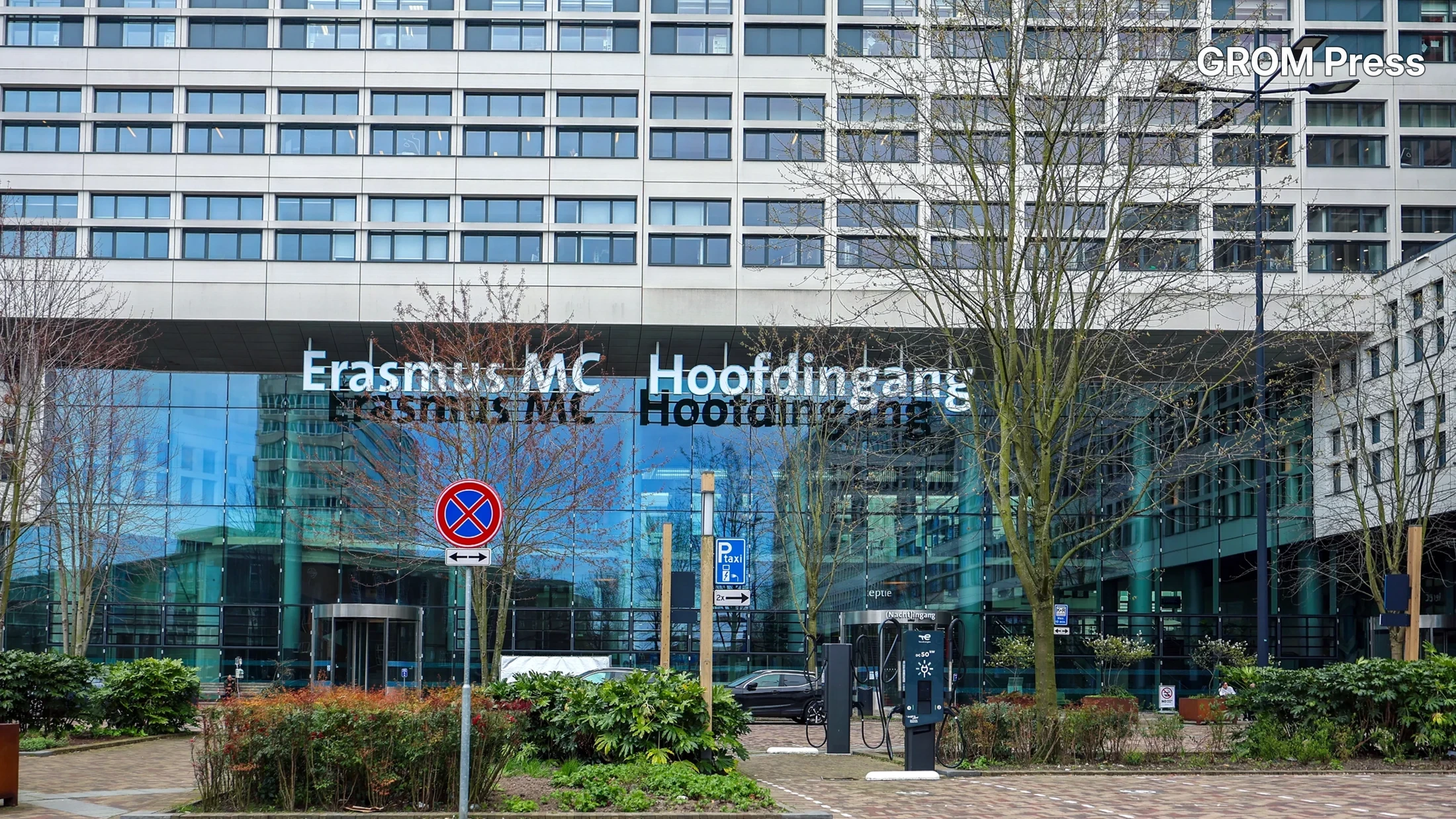
The Dutch Health and Youth Care Inspectorate (IGJ) has concluded that the Erasmus MC board in Rotterdam wrongly maintained for a long time that patient safety on the adult intensive care unit was in order. This finding comes from an inspectorate report reported by NOS and Nieuwsuur two days before this article was published.
The board based its assessment on internal hospital figures and studies. Experts and the inspectorate criticise that reasoning, noting that even when figures show no calamities, problems can still occur in daily care.
The inspectorate concludes that the situation on the ICU is one that "may constitute a serious threat to patient safety or care". It says the management "does not give sufficient substance" to its governing role and has placed the hospital board under intensified supervision.
The inspectorate also expresses doubt about the learning capacity of Erasmus MC. It states that it is not desirable to wait until shortcomings in the organisation of care become visibly apparent in care outcomes.
Warnings date back to 2021 and 2022, when the board received reports of possible wrongdoing on the intensive care unit, according to earlier reporting by NOS and Nieuwsuur. The directorate did not start an investigation at that time.
After a whistleblower report in 2024, the hospital hired a consultancy firm. The firm stated in advance that it had no medical expertise and concluded that there were no indications of risks to patient safety. The board considered this sufficient.
The inspectorate now says the board lacks a "proactive attitude", particularly because the consultancy report did describe psychological safety on the ICU as an area for improvement. The watchdog says this "can mean a serious risk to the quality of care and patient safety".
Emeritus professor of health law Johan Legemaate said the whistleblower report, the reports and the supervision of the training programme are serious red flags to which a board of directors and a supervisory board should respond adequately, and that this was neglected.
Professor of law and health Miriam Sombroek said she sees only red flags. She said the board has a statutory responsibility to safeguard quality and safety, and that work culture is part of that. She added that the board cannot hide behind the fact that no incidents have yet occurred, and that it must intervene directly when it receives serious signals pointing to risks for patients.
After NOS and Nieuwsuur put questions to the hospital this week, the board acknowledged on its website that "good patient care" is only possible if employees can voice their concerns, and that this had not sufficiently happened on the ICU.
Following the March reporting by NOS and Nieuwsuur about a culture of fear in the workplace, the works council discussed the ICU situation with the board, according to new internal documents. The hospital had engaged a new consultancy firm to organise sessions with ICU staff to discuss the poisoned working atmosphere. The works council told the board it had received "dozens of signals" that employees felt "unsafe" and gave "socially desirable answers" during the sessions.
In June, the board stated on its website that after various tracks, "patient safety on the department was and is in order".
When the board received the critical draft report from the inspectorate in August, it responded again that the risk of poorer or less safe patient care signalled by the IGJ had not materialised on the ICU. The inspectorate states that the absence of concrete manifestations of unsafe patient care does not mean that underlying risks in the culture are sufficiently controlled.
Sombroek said the inspectorate has critically judged the board’s governance and the way signals were handled. She said it is high time for the board to investigate transparently and independently what role its own actions played, and to include the role of the supervisory board.
The Supervisory Board oversees the board’s actions and said in a reaction: "The Supervisory Board fully supports the response and the measures of the Board of Directors following the report of the Health and Youth Care Inspectorate on the Adult ICU. This also applies to the improvement actions previously set in motion."
The Supervisory Board did not respond to the question of whether it has called into question the functioning of individual directors following the inspectorate report.
Source: GROM.PRESS