Crack use rises in Dutch medium-sized cities, Groningen alderman calls for national action
The number of crack users in the Netherlands has risen from an estimated 12,000 three years ago to about 28,000 today, according to the Trimbos Institute. The problem is spreading beyond Amsterdam and Rotterdam to cities including Groningen, Arnhem, Breda, Enschede, Almere, Dordrecht, Deventer, Delft, Emmen, Haarlem, Leeuwarden and Nijmegen. Groningen alderman Manouska Molema, speaking for the G40 group of medium-sized municipalities, says local authorities are overwhelmed and is asking the national government for 100 million euros a year in additional funding and the rapid resumption of a national study into treating crack addiction with dexamfetamine.
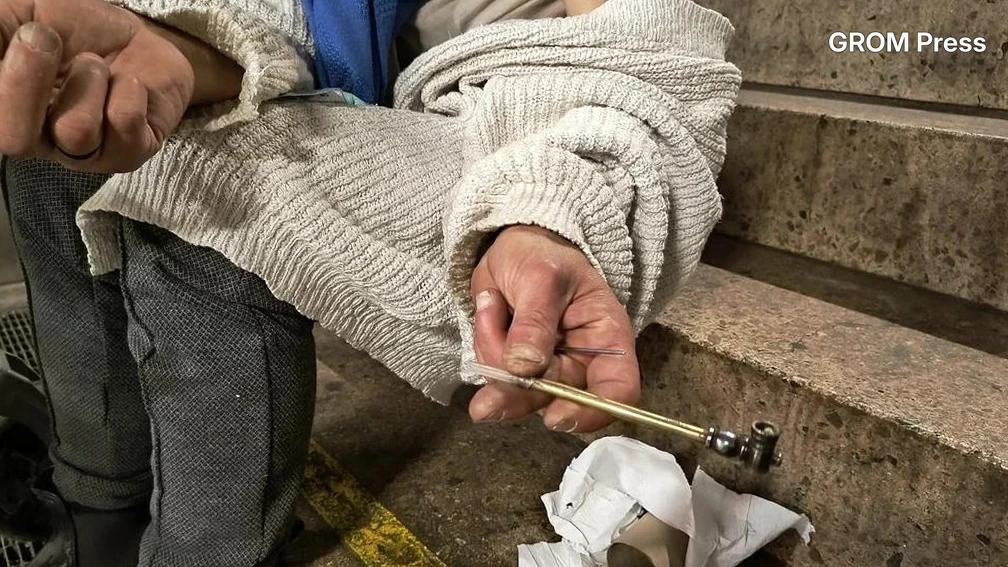
The number of people using crack in the Netherlands has increased sharply, according to figures from the Trimbos Institute. The institute estimates that about 28,000 people currently use crack, compared with an estimated 12,000 three years ago.
The issue is no longer confined to large cities such as Amsterdam and Rotterdam. Nieuwsuur surveyed medium-sized Dutch cities in the G40 group and found that crack-related nuisance in public spaces is also reported in Groningen, Arnhem, Breda, Enschede, Almere, Dordrecht, Deventer, Delft, Emmen, Haarlem, Leeuwarden and Nijmegen.
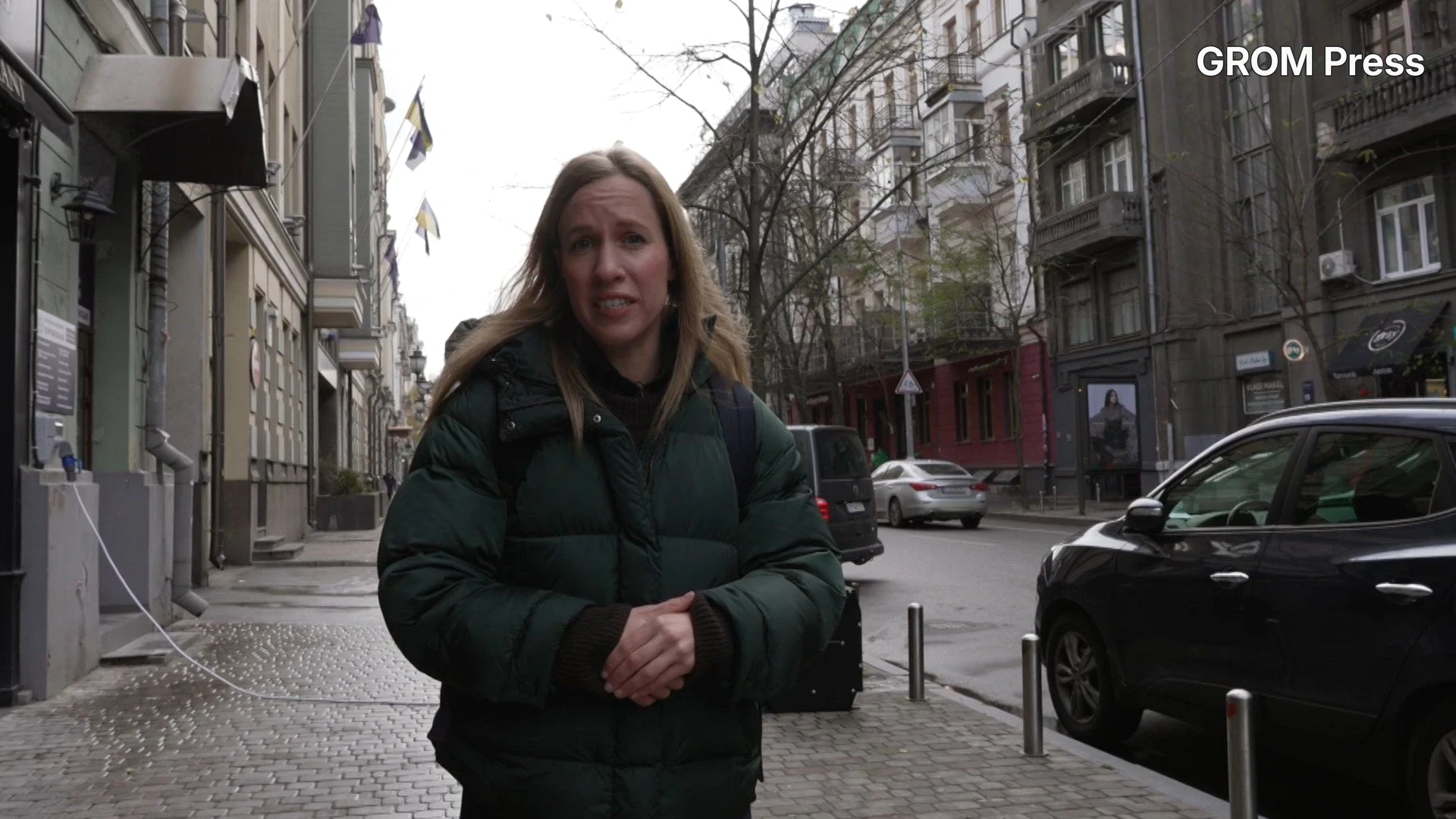
Manouska Molema, alderman for Care and Safety in Groningen and a member of the PRO party, said crack use is increasing in her city. She stated that municipalities are reaching their limits and described the situation as one in which local authorities genuinely get stuck.
In Groningen, the number of homeless people has tripled over four years, according to the article. Care workers in the city have also observed an increase in crack problems during that period. The article notes that crack addiction often goes hand in hand with homelessness and psychological problems.
Residents are experiencing nuisance linked to crack use, including litter from discarded drug paraphernalia, begging, noise pollution and conflicts with people who are addicted. Some municipalities have responded with camera surveillance and additional police patrols. Molema said her city has about a hundred habitual nuisance offenders who require a disproportionate police deployment.
Molema described police action as symptom management that does not address underlying causes. She said people can be picked up by police, but this group fundamentally needs care. The municipality is deploying outreach care, with street teams trying to persuade people to accept help and guiding them to shelters, but she said this is very difficult.
She explained that this group often does not qualify for involuntary care. People must be motivated themselves, and even when they are, they end up on a waiting list and must remain motivated for months, which she said does not work.
The G40 is calling on the national government for 100 million euros extra per year. The cities also want a national study into treating crack addicts with the medicine dexamfetamine to be resumed quickly. The study was previously suspended by the Health and Youth Care Inspectorate, which has not given a reason for doing so.
The Dutch House of Representatives is scheduled to debate drug prevention and addiction care tomorrow, and the growing crack problems are expected to be part of that debate.
Source: GROM.PRESS