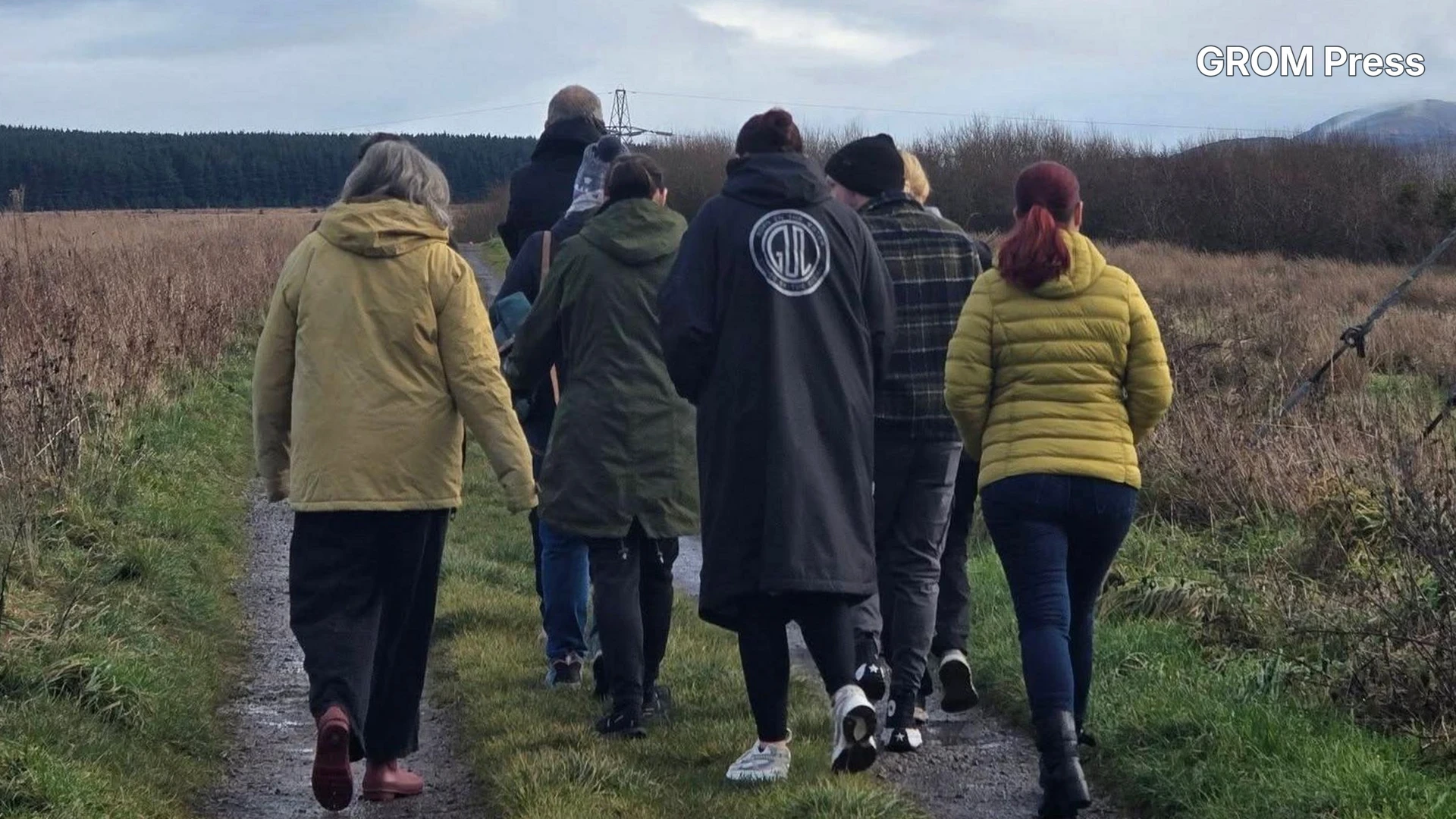
Young UK hikers swap screens for trails as walking groups grow
Hiking among 16-34 year-olds in the UK has risen from 2.3% to nearly 9% in eight years, according to Sport England. Young people are joining walking groups to improve mental health, make friends and navigate without phones, with groups in Sheffield and Leicester reporting large membership increases over two years.
Young adults in the United Kingdom are increasingly turning to hiking and walking groups as an alternative to desk-based work and digital socialising, according to reporting by the BBC.
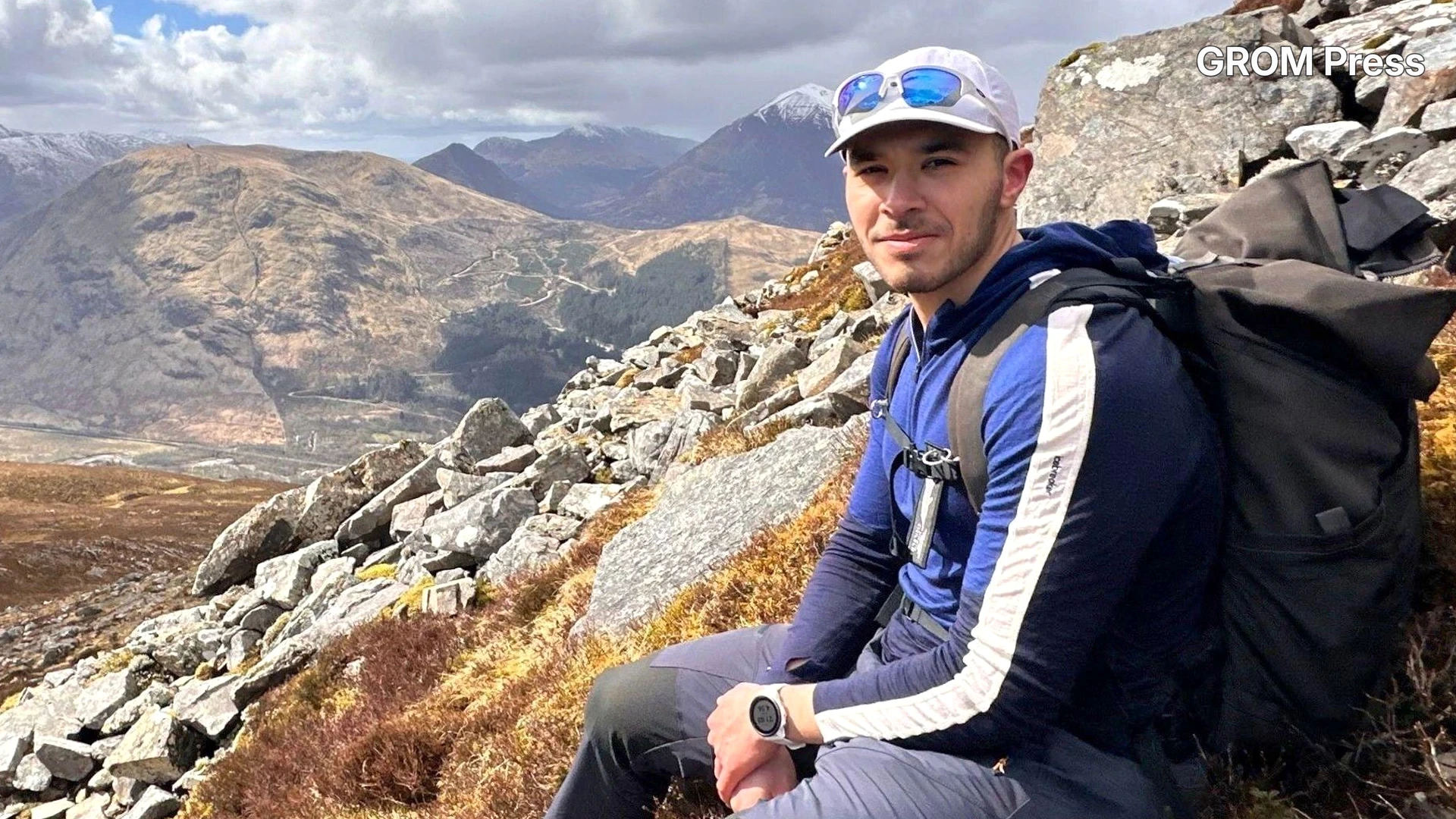
Mohannad Najjar, a 26-year-old former aerospace engineer from Istanbul, now studies nature and theology in Cambridge and volunteers as a scout leader. He walks in the countryside every weekend and has hiked in the Scottish Highlands, which he says helps him think clearly. He told the BBC that he wants to see untouched nature and feels different after a hike or walk.
Sport England figures cited in the report show that nearly 9% of 16-34 year-olds are regular hill walkers or hikers, up from 2.3% eight years ago. The Ramblers walking charity said many young walkers’ groups from Inverness to Nottinghamshire have seen membership rise over the past two years. Demand for its map and compass skills course for 18-25 year-olds has nearly doubled. Alistair Cooper, who leads the Out There Award programme, said many participants want to ditch their phones and stop relying on a blue dot to navigate. He added that a cohort missed outdoor activities during Covid and wants to explore but often does not know where to start.
Dr Danny Longman, lecturer in human evolutionary physiology at Loughborough University, said research suggests noise, traffic, stress and information overload in towns and cities place huge demands on the brain and affect mental health. He said nature is the environment humans are adapted to, and being close to it brings benefits such as improved wellbeing, brain function and physical performance. He also cited a theory that paying attention to trees and leaves allows the brain to recover.
Deborah Odutayo, a 24-year-old environmental science student, described going through an identity crisis because she did not see herself as someone who works behind a desk from 9 to 5. After solo travelling, she began solo hikes in Kent and the Peak District and camped with an outdoor group in Dorset. She said hiking feels therapeutic, mostly for her mental health, and that navigating without a phone or digital maps feels more intentional and grounding.
Miranda Chambers-Reid, who leads a Ramblers walking group for people in their 20s and 30s in Sheffield, said walking gives people an instant friend group when life is in flux. She said members do not want all their friends to be work friends or old university friends. As a mother of a seven-year-old, she also did not want all her friends to be mum friends. Her group grew from 250 members to 350 over the last two years. She covers about 30 miles of walking a week and said she works in an office where she cannot see the sky, so she goes outside whenever possible.
Sej Chauhan, 27, set up Girls Who Walk in Leicester after a lonely year studying in Bristol. She said there is growing interest in socialising without drinking alcohol or spending lots of money. The group focuses on walking in parks, talking and female companionship, with a coffee stop included. In two years it has grown to more than 300 members, most aged 25-35. Chauhan said there is no pressure or barriers with walking and that social media does not provide the connection people are craving.
The report notes that not everyone can easily access green space or find time for hiking because of work or childcare commitments. Dr Longman’s tips for getting a nature fix close to home include moving in an urban park or garden, listening to wind, rain and birdsong, smelling pine forests, and bringing nature sounds and imagery indoors using apps.
Source: GROM.PRESS