UK-EU Deal Set to Take Effect Regardless of Tuition Fees Dispute, Miliband Declares
Foreign Secretary Ed Miliband confirmed that key agreements reached between the UK and the EU in Brussels - including easing food export checks and launching a youth mobility scheme - will come into force in 2028, irrespective of unresolved negotiations over tuition fees for EU students. Prime Minister Andy Burnham hailed the pact as a 'win-win' that could deliver £17bn in annual economic gains, while EU Commission President Ursula von der Leyen expressed confidence in resolving the tuition issue.
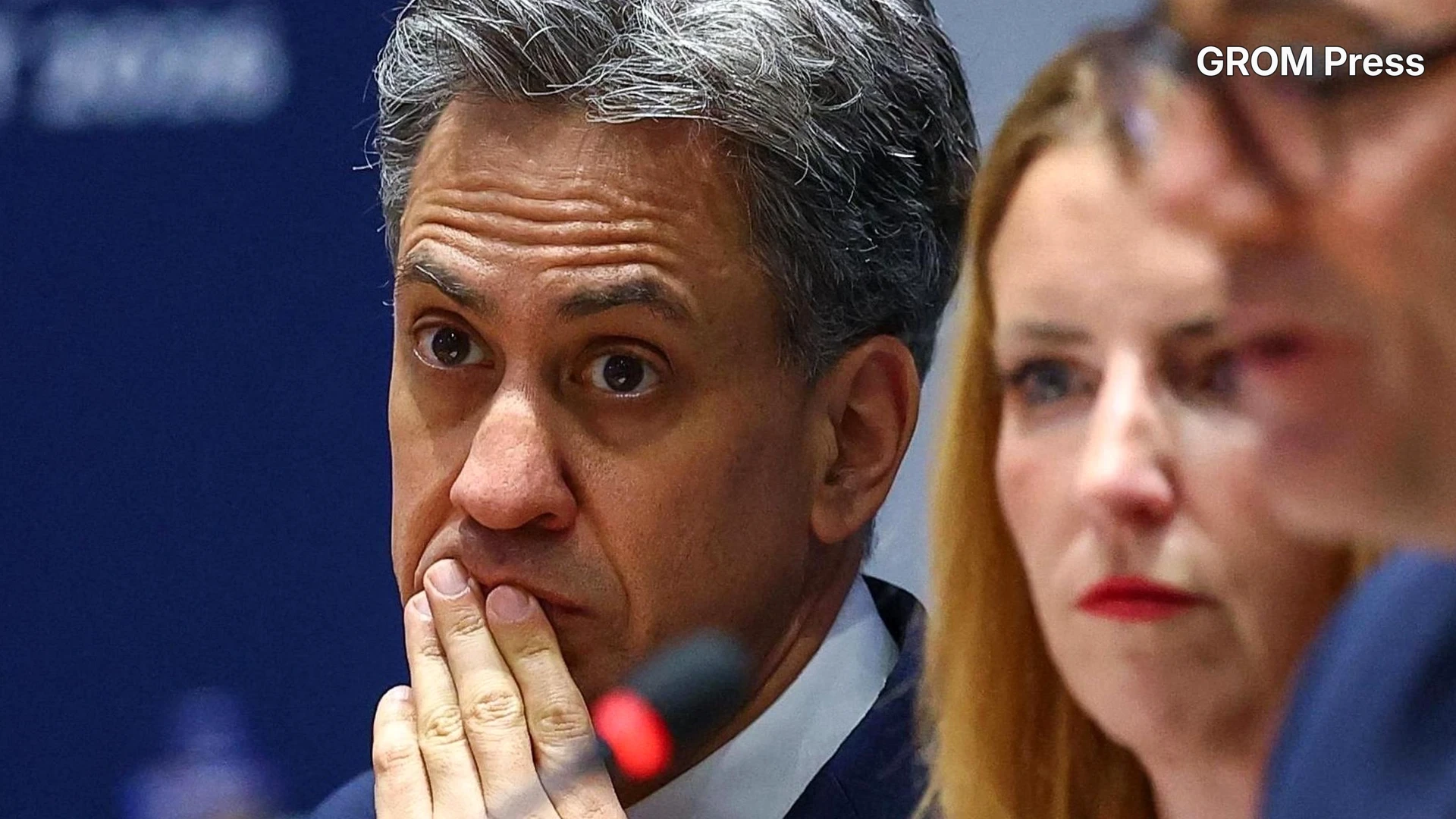
Foreign Secretary Ed Miliband confirmed to the BBC that the UK-EU agreement reached in Brussels will proceed regardless of whether a separate tuition fees deal is finalized. The pact, which includes eliminating most checks on British food exports in exchange for UK adherence to certain EU regulations starting in 2028, will be implemented through parliamentary legislation, Miliband stated. He emphasized that the deal on youth mobility and food exports is legally binding and independent of the tuition fees issue, which remains unresolved. "President von der Leyen... was very clear about this at the press conference we just had," Miliband said, noting that the tuition matter is "a separate piece of paper and a separate issue." The agreements are scheduled to be introduced into UK law before 2028, with no additional cost to the UK taxpayer or contribution to the EU budget, according to Miliband. He clarified that previously agreed EU programs like Erasmus+ are not part of this summit’s scope.
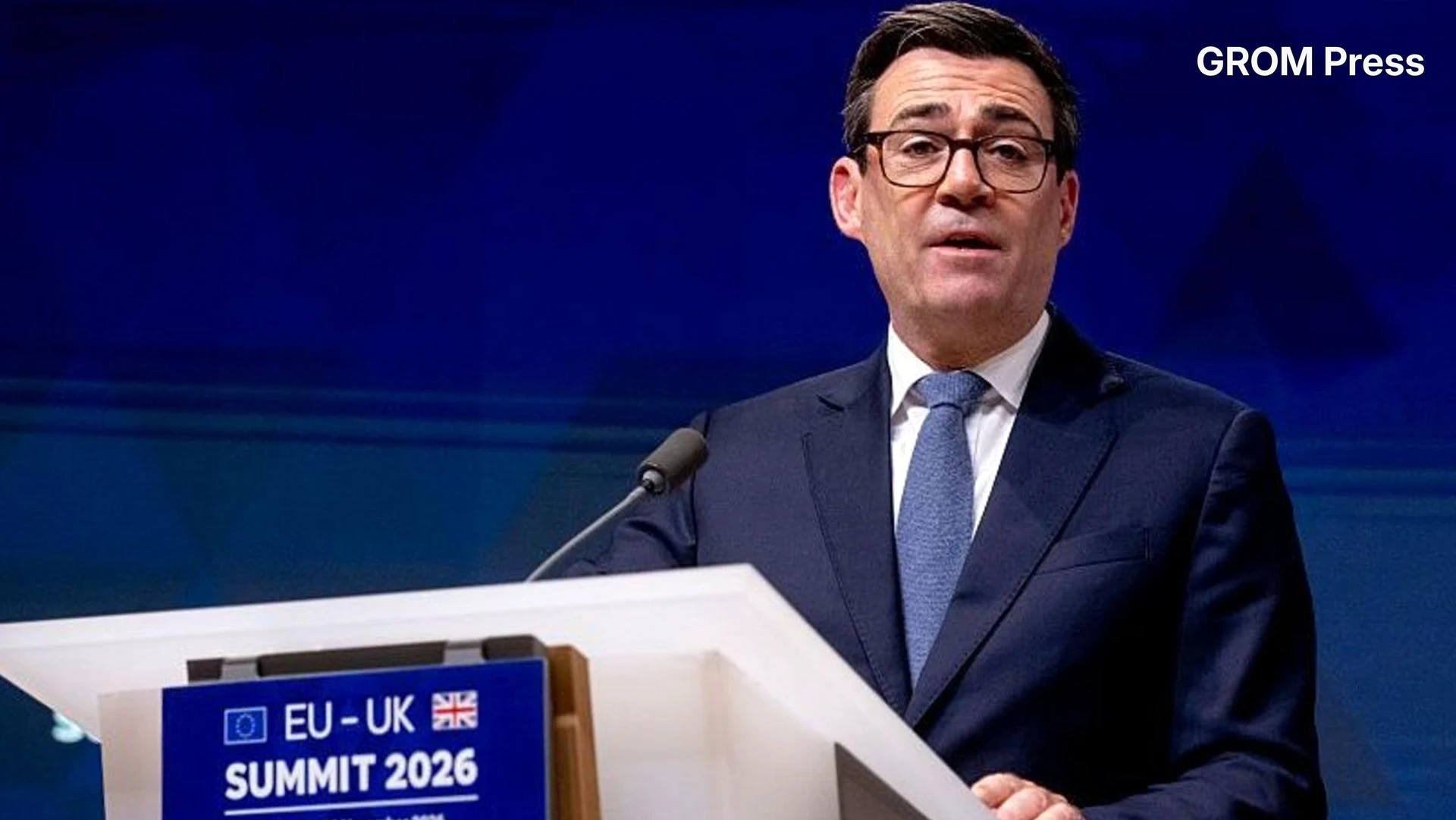
Prime Minister Andy Burnham, who led the UK delegation, described the deal as a "win-win" that could reduce red tape and lower the cost of living, citing Treasury estimates of up to £17bn in annual economic benefits. Burnham also asserted that public polling indicates UK citizens support closer EU ties, and the deal reflects that sentiment. He framed the agreement as a step toward restoring economic and social connections with the bloc. EU Commission President Ursula von der Leyen, during a joint press conference, expressed confidence that a solution for tuition fees would eventually be found, with Burnham echoing her optimism.
The youth mobility scheme, a central component of the deal, will allow EU citizens to work and live in the UK, with details expected to be formalized by 2028. The scheme aims to address labor shortages while fostering cultural exchange. However, critics have raised concerns. Conservative leader Kemi Badenoch argued that UK farmers would be subject to Brussels rules while EU youth would compete for jobs in a domestic labor market already under strain. She also dismissed the £17bn economic projection as fabricated, citing economic models she had seen that showed zero growth. Reform UK’s Nigel Farage labeled the deal a "betrayal of the British people" and a humiliation for the UK, accusing Burnham of being dishonest. Liberal Democrat leader Sir Ed Davey called the youth mobility scheme a "big step forward" but insufficient, urging for a "whole new deal that actually works for Britain, and fast."
Miliband, while acknowledging the 2016 Brexit referendum result, noted that "the world has changed massively" and that Europe’s landscape is evolving. He affirmed that all options, including rejoining the EU, will be considered, though the government respects parliamentary red lines. "It's not about this parliament, we're respecting the red lines in this parliament," he added, signaling a pragmatic approach to future negotiations. The deal, while welcomed by some as a pragmatic compromise, remains politically divisive, with opposition parties and Brexit supporters viewing it as a departure from the original Brexit mandate.
Source: GROM.PRESS