How to extend Fitbit battery life per charge and overall
Fitbit devices are rated for four to ten days per charge, with the Edge and Air rated up to seven days. Battery life can be extended by using the original charger, turning off the always-on display, dimming brightness, shortening screen timeout, avoiding animated clock faces, limiting built-in GPS, keeping software updated, limiting notifications, and turning off continuous SpO2 tracking. For long-term storage, charge fully, power off if possible, do not leave plugged in, and recharge at least every six months. Avoid charging below 32°F or above 113°F and avoid saltwater.
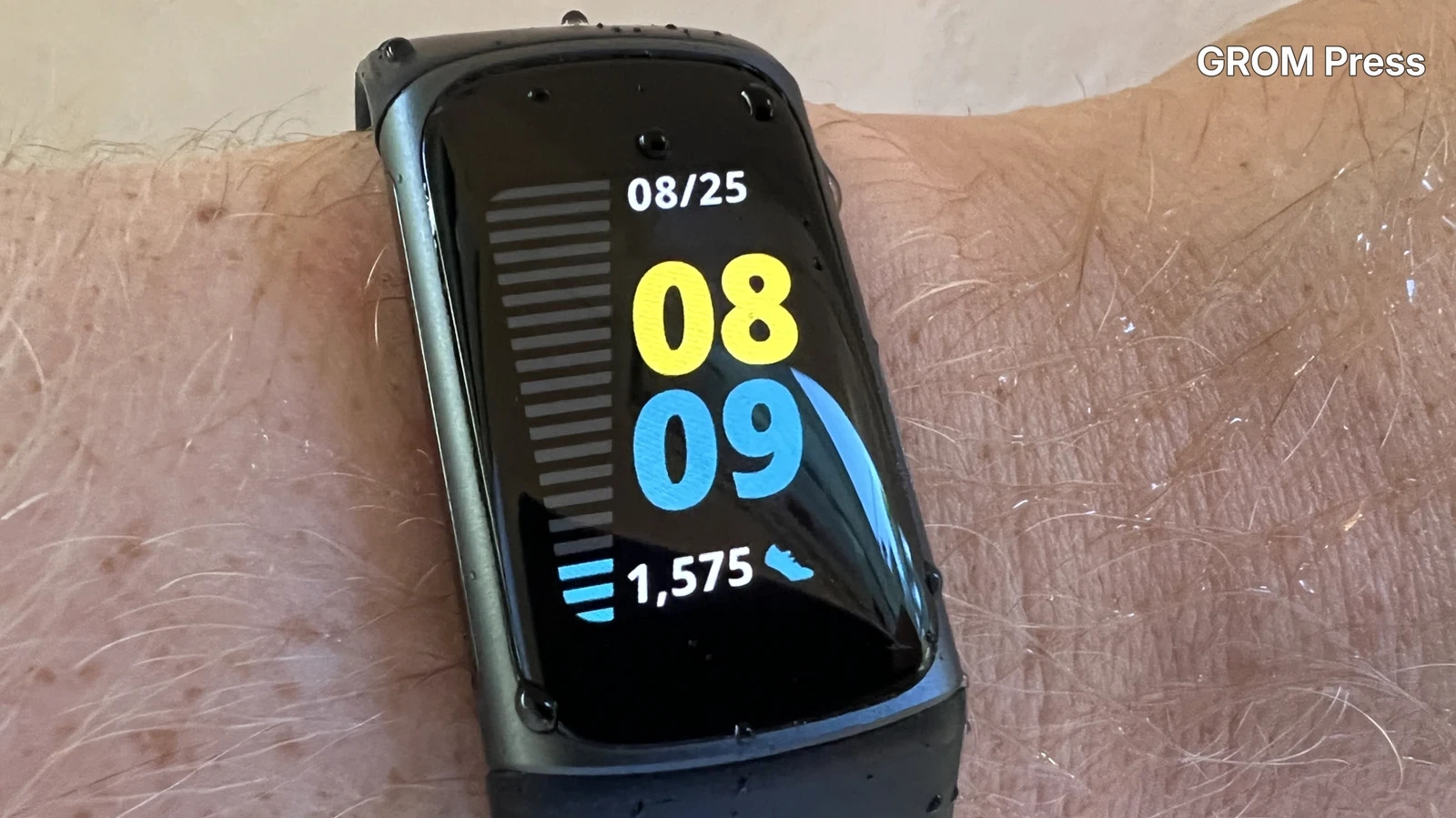
Fitbit devices have a rated battery life of four to ten days per charge, depending on the model. The latest Fitbit Edge and Fitbit Air are rated to last up to seven days per charge. To preserve battery life, users should always use the charging cable that came with the device. Third-party replacements exist for some models, but the source recommends buying a replacement directly from Google or Amazon if the original is lost.
Turning off the always-on display helps battery life. On the Charge 5 and 6, Inspire 3, Sense 2, and Versa 2 and 4, the always-on display reduces battery life to just three days per charge. For the Edge, it can take battery life down to just two days. Users are also advised to dim screen brightness indoors, choose a shorter screen timeout if available, and avoid animated clock faces that require more battery power.
Built-in GPS drains the battery quickly on models that support it. The Fitbit Edge provides up to ten hours with GPS, the Charge 4, 5, and 6 provide up to five hours, and the Sense, Sense 2, Versa 3, and Versa 4 provide up to twelve hours. If the device has adjustable GPS settings, users can choose to use the phone's GPS instead or turn GPS off entirely when it is not needed.
Keeping software up to date and limiting notifications to essential alerts such as calls, messages, and calendar updates can also help. The source advises limiting use of music controls, navigation, on-wrist calls, and contactless payments, and turning off continuous SpO2 tracking, which it describes as a major battery drain.
Fewer overall charges help preserve battery longevity. Users should never charge a Fitbit in extreme temperatures below 32 degrees Fahrenheit or above 113 degrees Fahrenheit and should keep it in a cool, dry place. Wearing it in very high humidity, frigid cold, or saltwater should be avoided, even for water-resistant models.
For long-term storage, the device should be charged to full and powered off if it has a power-off option. It should not be left plugged in, and it should be charged at least every six months to prevent it from falling into a deep discharge state.
Signs that a Fitbit battery may be failing include quick battery drain, the display turning on and off, and long recharge times. Syncing issues with a phone or lagging performance may also indicate it is time to consider a new device. The Fitbit Edge is the brand's first model with a replaceable battery, which can extend device life for the cost of a replacement battery and servicing.
Fitbit trackers are expected to last up to three years, though some older models remain functional. The source notes that an old Fitbit Charge 6 from 2023 was recently plugged in and is still powering up and functioning.
Source: GROM.PRESS