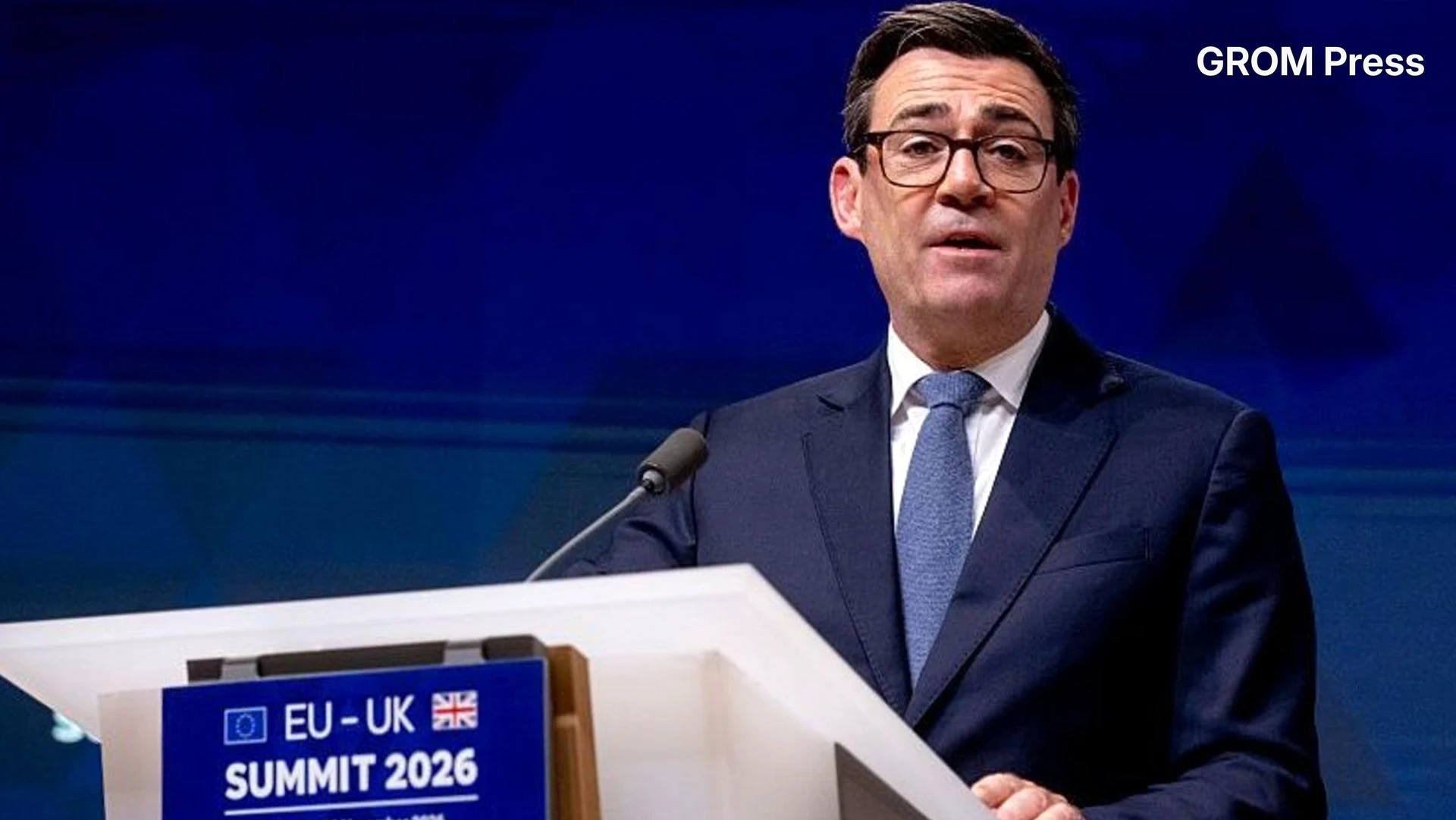
European Delegates Ready to Visit Moscow on Condition of Full Participation in Peace Talks
European representatives are prepared to travel to Moscow for peace negotiations with Russia, contingent upon being granted 'full participation' in talks aimed at ending the war with Ukraine, according to a statement from the French presidency. Russian President Vladimir Putin has invited European leaders to Moscow to discuss security in Ukraine, Russia, and Europe, while French officials emphasized that Europe’s precondition is Russia’s recognition of their active and equal role in future negotiations involving the U.S. and Ukraine. The U.S.
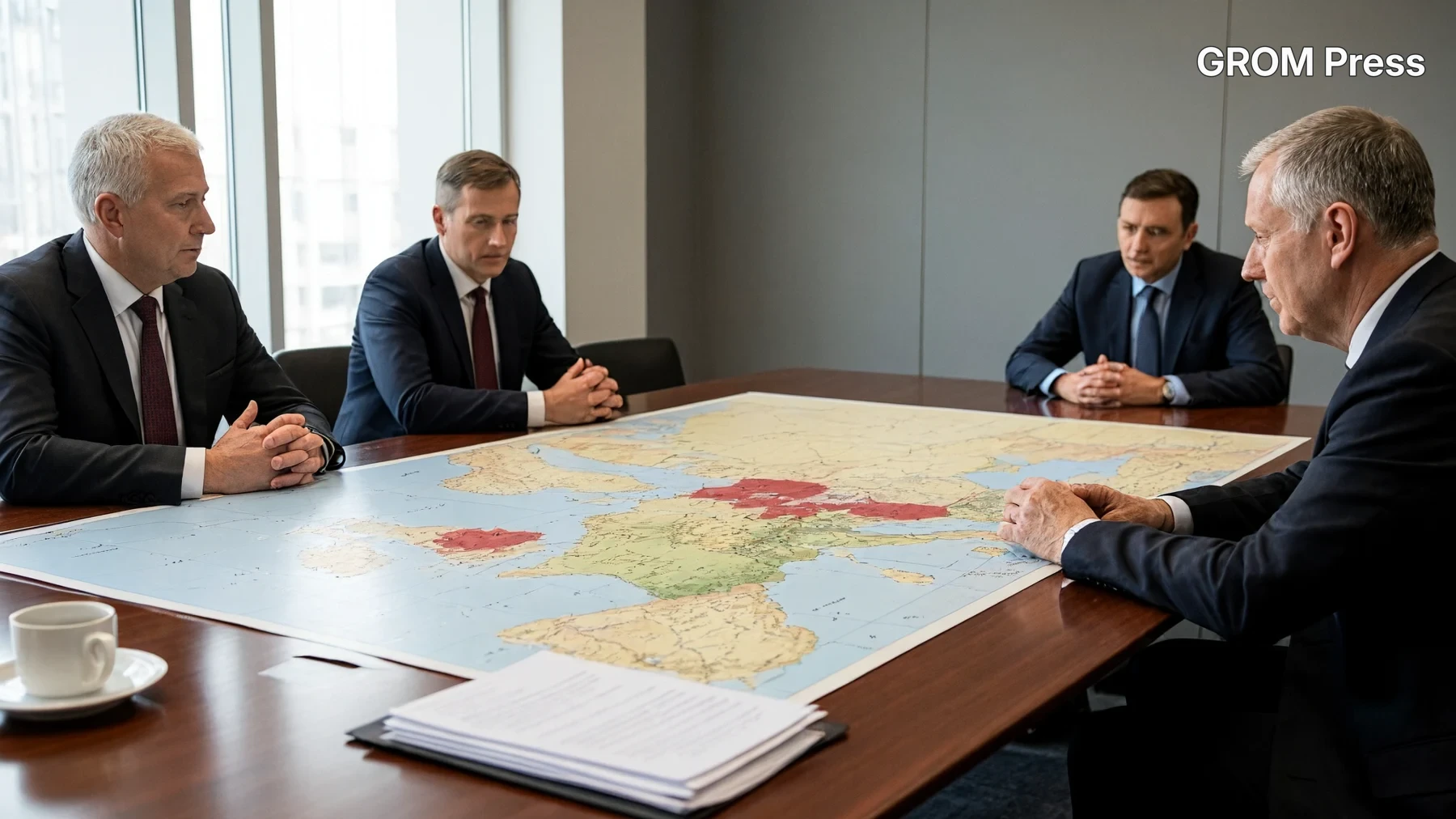
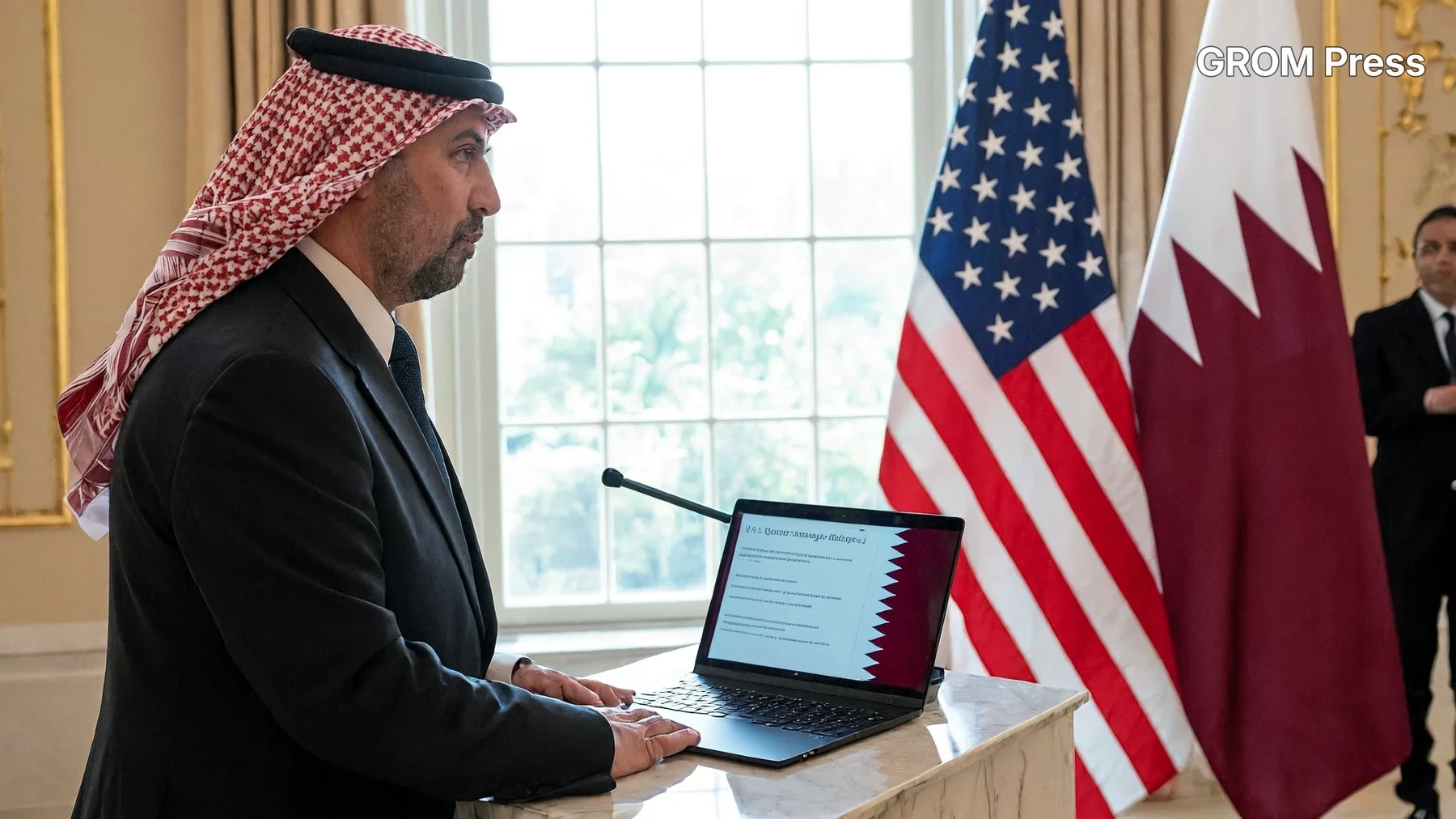
European countries are preparing to send diplomatic representatives to Moscow for peace negotiations with Russia, but only if Russia guarantees their 'full participation' in the talks, according to a statement made by a representative of the French presidency in Paris. The official emphasized that Europe’s primary condition is that Russia must acknowledge the legitimacy of European involvement and ensure active participation in subsequent rounds of negotiations involving the United States and Ukraine. This stance reflects a broader European insistence on being treated as equal partners rather than observers in the peace process.
Russian President Vladimir Putin announced on November 19 that he is open to discussions with European representatives on security in Ukraine, Russia, and Europe. He stated that Russia has invited European delegates to Moscow to clarify their positions. Bloomberg reported that officials from France, Germany, and the United Kingdom are currently discussing the feasibility of hosting such a meeting.
French presidential officials described Russia’s proposal to formalize dialogue as 'positive,' but underscored that Europe’s demand is not merely symbolic. They insisted that any official meeting must translate into Russia’s practical acceptance of European roles in future negotiations, including those with the U.S. and Ukraine. The French representative did not specify whether Russia has formally agreed to these conditions.
The United States previously indicated that European representatives would be included in U.S.-Russia-Ukraine negotiations, but the Kremlin explicitly denied having reached any agreement on this point. This discrepancy highlights the lack of consensus on the structure of future talks, with Washington and Moscow seemingly at odds over the role of European partners.
Europe has already identified its delegation: national security advisors from Germany, France, the United Kingdom, Italy, Poland, and the European Union’s own national security advisor will be present. This coordinated approach suggests a unified European stance, despite internal differences, on the need for formal, inclusive dialogue with Russia.
The broader context of these developments includes ongoing speculation about Russia’s maximalist demands for ending the war. Recent reports suggest that Moscow’s conditions extend beyond the EU and NATO, potentially including countries such as Moldova, Finland, and Central Asian states. These conditions, if realized, could complicate the negotiation landscape and further delay a diplomatic resolution.
Source: GROM.PRESS