UN Conference Fails to Agree on Rules for 'Kill Robots'; US, Russia, Israel Oppose
Negotiators at the UN Convention on Conventional Weapons in Geneva failed to reach consensus on regulating autonomous weapons systems, with the US, Russia, and Israel blocking stronger measures. The talks, extended until early Saturday, ended with a non-binding agreement to continue discussions for two years. Supporters, including UN Secretary-General António Guterres, Pope Leo XIV, and the ICRC, pushed for legally binding rules to curb AI-driven killing machines.
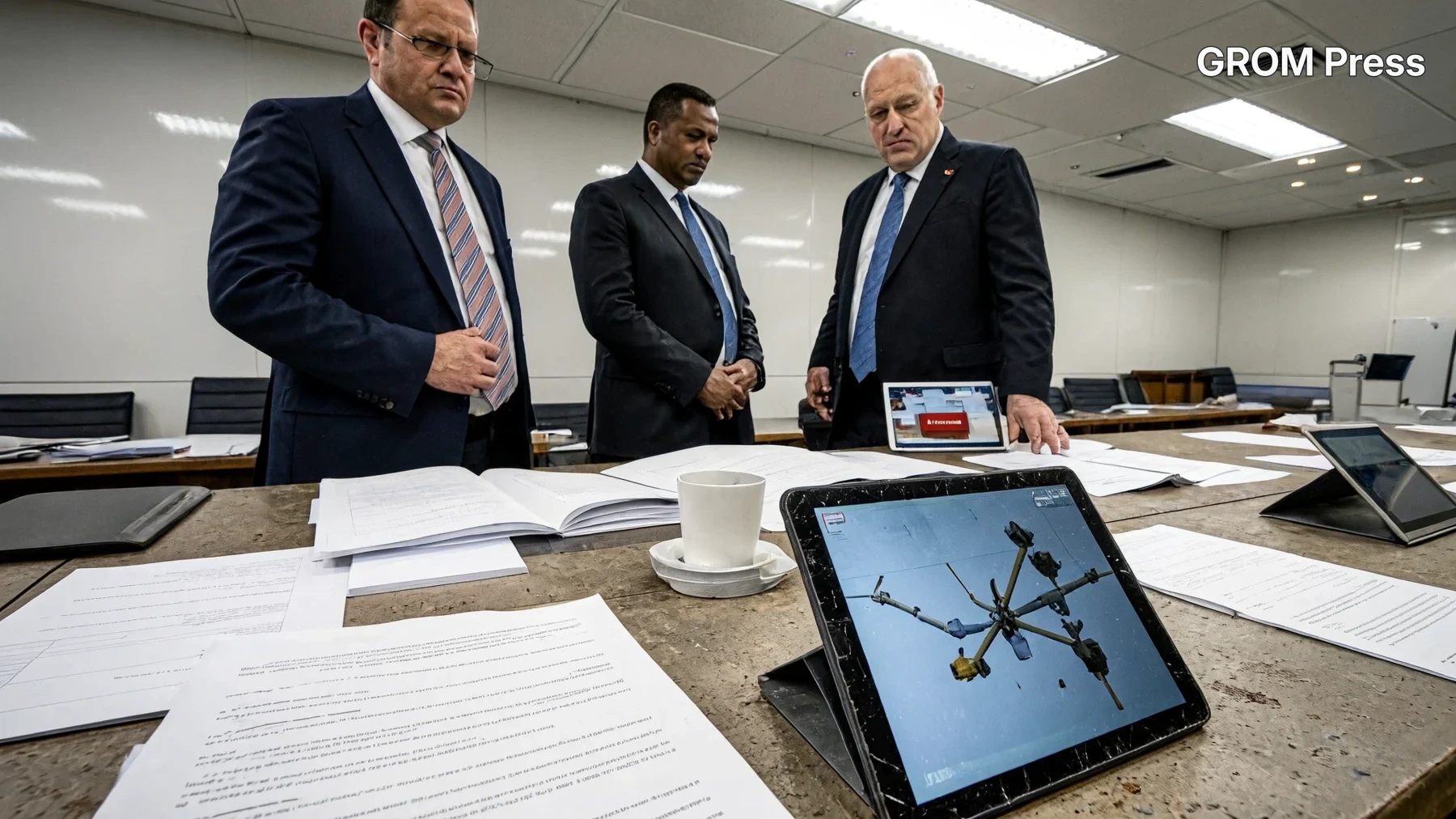
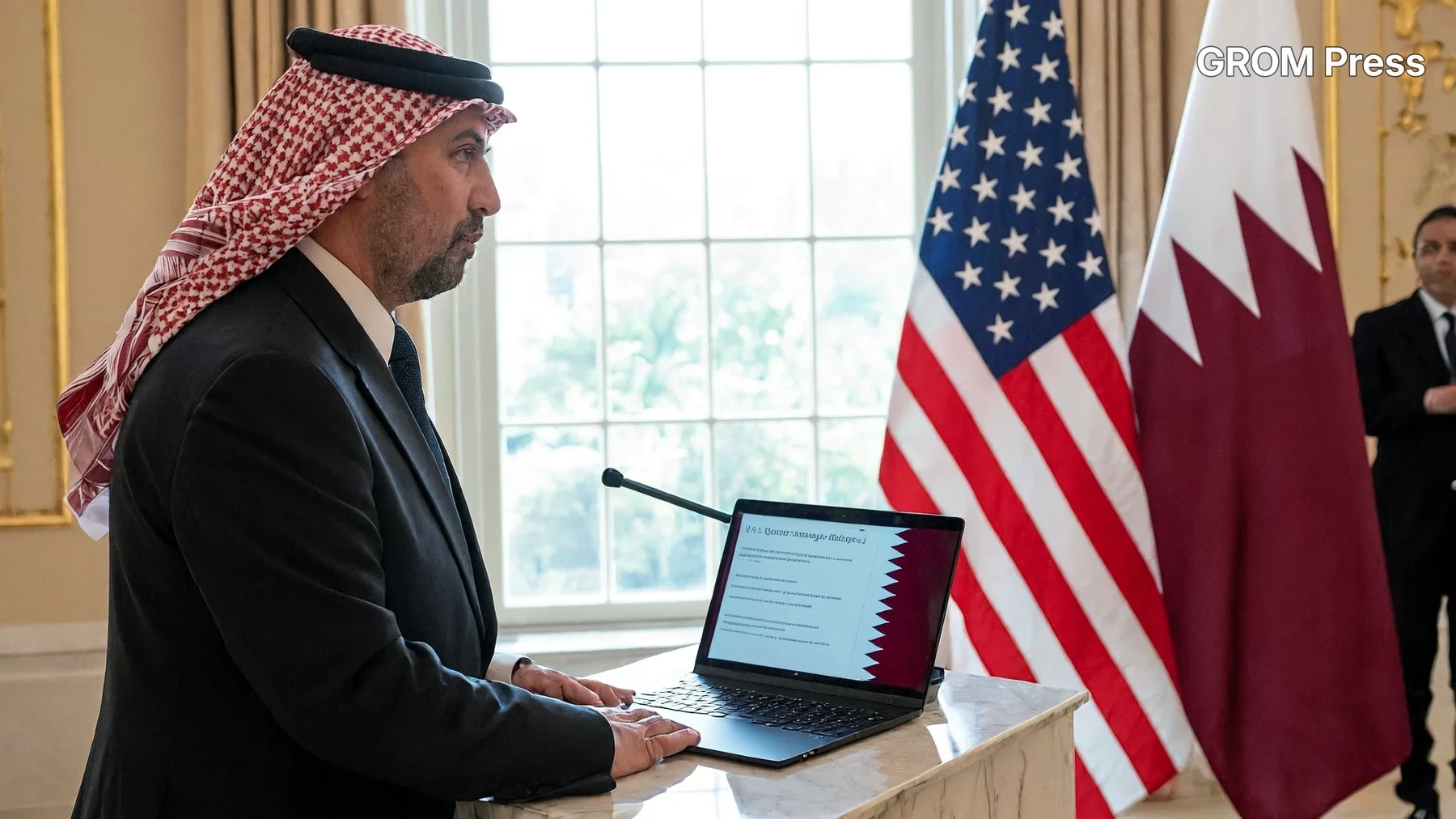
Delegates at the UN Convention on Conventional Weapons in Geneva convened from November 16 to discuss the regulation of autonomous weapons systems - those that operate with minimal or no human control. The negotiations, which were scheduled to conclude on Friday, November 20, extended into Saturday morning, reflecting the depth of disagreement among participating nations. The final outcome was a diluted agreement that postpones the development of legally binding rules for so-called 'killer robots' for at least two years.
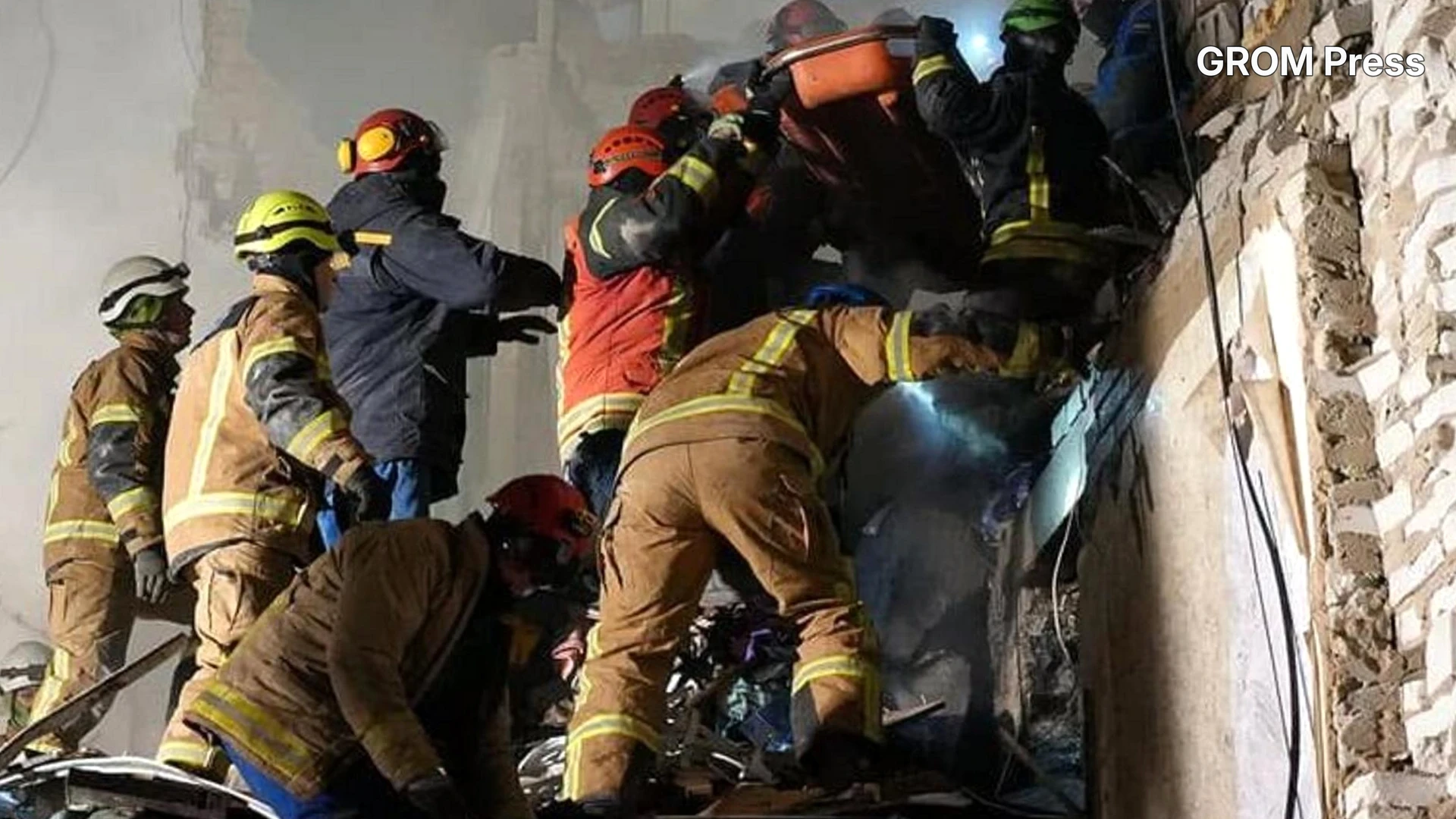
Proponents of regulation, including UN Secretary-General António Guterres, Pope Leo XIV, and the International Committee of the Red Cross, advocated for immediate, enforceable international standards to govern the deployment of AI-powered weapons. Their call was echoed by approximately 100 countries concerned about the accelerating use of semi-autonomous military technology in conflict zones such as Ukraine, Sudan, and the Middle East. These countries emphasized the risk to civilian populations and the ethical implications of delegating lethal decisions to machines.
Opposition came primarily from major arms-producing nations, notably the United States, Russia, and Israel, who resisted any restrictions that would limit their military autonomy. Their stance aligns with the interests of defense industries and national security doctrines that prioritize operational flexibility. In a decisive move, diplomats from the US and Russia successfully amended the draft agreement to eliminate any requirement for human verification of targeting decisions. This revision effectively removes the most significant regulatory hurdle for autonomous weapon systems.
Human rights advocates have criticized the outcome, warning that the delay in establishing rules increases the risk to civilians. They argue that without clear international frameworks, the proliferation of AI-driven weapons could lead to irreversible humanitarian consequences. The failure to reach consensus, they say, reflects a broader global reluctance to confront the moral and legal challenges posed by autonomous warfare.
The conference’s outcome does not impose immediate legal obligations but commits member states to continued dialogue. The two-year timeline allows for further negotiations, but critics question whether political will will keep pace with technological advancement. The absence of enforceable rules leaves a critical gap in international law, potentially enabling the unchecked deployment of lethal autonomous systems in future conflicts.
Source: GROM.PRESS