Samsung and LG OLED TVs compared: panel types, software and room conditions
Samsung and LG dominate the OLED TV market but use different panel technologies. LG relies on WOLED and RGB Tandem OLED, while Samsung uses QD-OLED. Samsung panels offer a wider color gamut and higher energy efficiency but lack Dolby Vision and can produce magenta glare in bright rooms. LG panels are better suited to high ambient light, though text clarity can suffer. Software support differs, with Samsung promising up to seven years of Tizen updates and LG up to five years of WebOS updates.
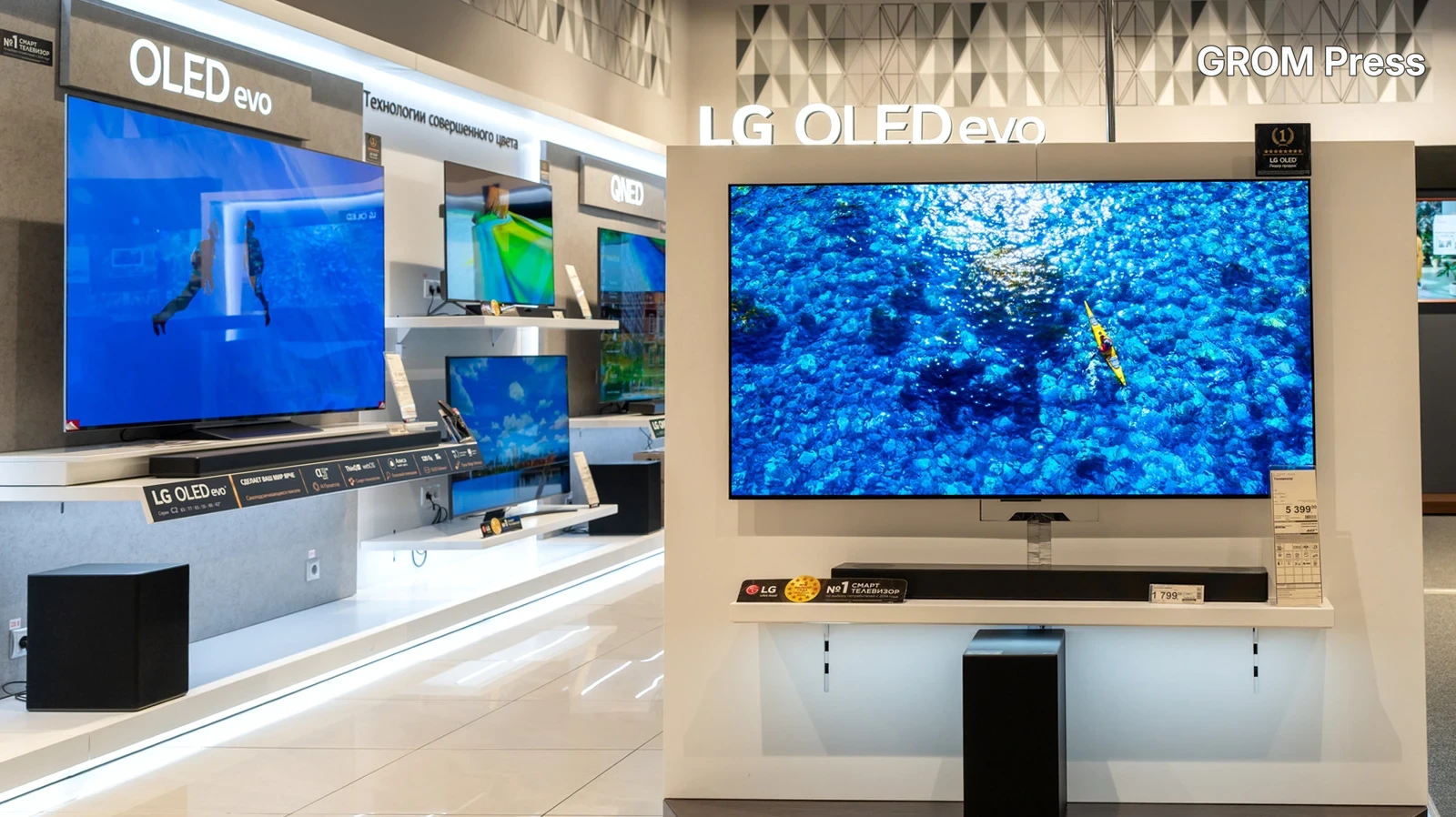
Samsung and LG remain the leading sellers of OLED televisions, but the two brands take different technical approaches, so neither can be declared the outright better choice.
LG entered the OLED TV market in 2010 with the 15-inch 15EL9500 and released its first 55-inch model in 2012. Since then it has built a major position in the category. LG’s panels are known for crisp colors and are considered well suited to rooms with high ambient light, although the white subpixel layer in WOLED panels can reduce text clarity.
Samsung returned to the OLED TV market in 2022 with QD-OLED technology. These panels use a blue light source and red and green quantum dots to convert color rather than filter it. The result is a wider color gamut and significantly higher energy efficiency, which theoretically could mean a longer lifespan. Samsung’s QD-OLEDs are described as the sharpest-looking consumer OLEDs and the gold standard for HDR displays, with better color saturation than LG’s panels. However, they are ill-suited to bright living spaces because strong light hitting the panel can cause magenta glare. Samsung OLED televisions do not support Dolby Vision and use HDR10 instead.
LG also offers RGB Tandem OLED panels, which use multiple emissive layers and a striped subpixel layout to increase brightness, reaching more than 1,000 nits per pixel on some models. These panels cost more to manufacture and command a premium, but they tend to have poorer color accuracy than Samsung’s QD-OLEDs because they lack quantum dot technology.
The viewing room is a major practical factor. A QD-OLED television can struggle in a room with high ambient light, while LG’s anti-glare coating does not eliminate reflections entirely. Software support also differs: Samsung’s latest Tizen OS is promised up to seven years of updates, while LG’s WebOS is supported for up to five years.
Brand trust is another consideration. Samsung has been criticized for poor quality control and for obscuring which panel technologies certain models use. LG has had a more consistent track record but faced widespread criticism over privacy terms that allowed the company to record user conversations and sell them to advertisers. LG issued a statement after consumer backlash, though some customers have not forgiven the controversy.
Source: GROM.PRESS