Mass Protests Over Cost of Living Shake European Streets
Thousands of demonstrators, mostly young adults, took to the streets across multiple European countries including Germany, France, Croatia, Italy, and the UK on Friday to protest soaring living costs, housing shortages, and underfunded education systems. Reports from Rome indicate a large-scale march organized by Italy’s main trade union, while BBC Europe correspondent Nick Beake documented the widespread unrest. The protests reflect growing public frustration with economic pressures and social service deficits across the continent.
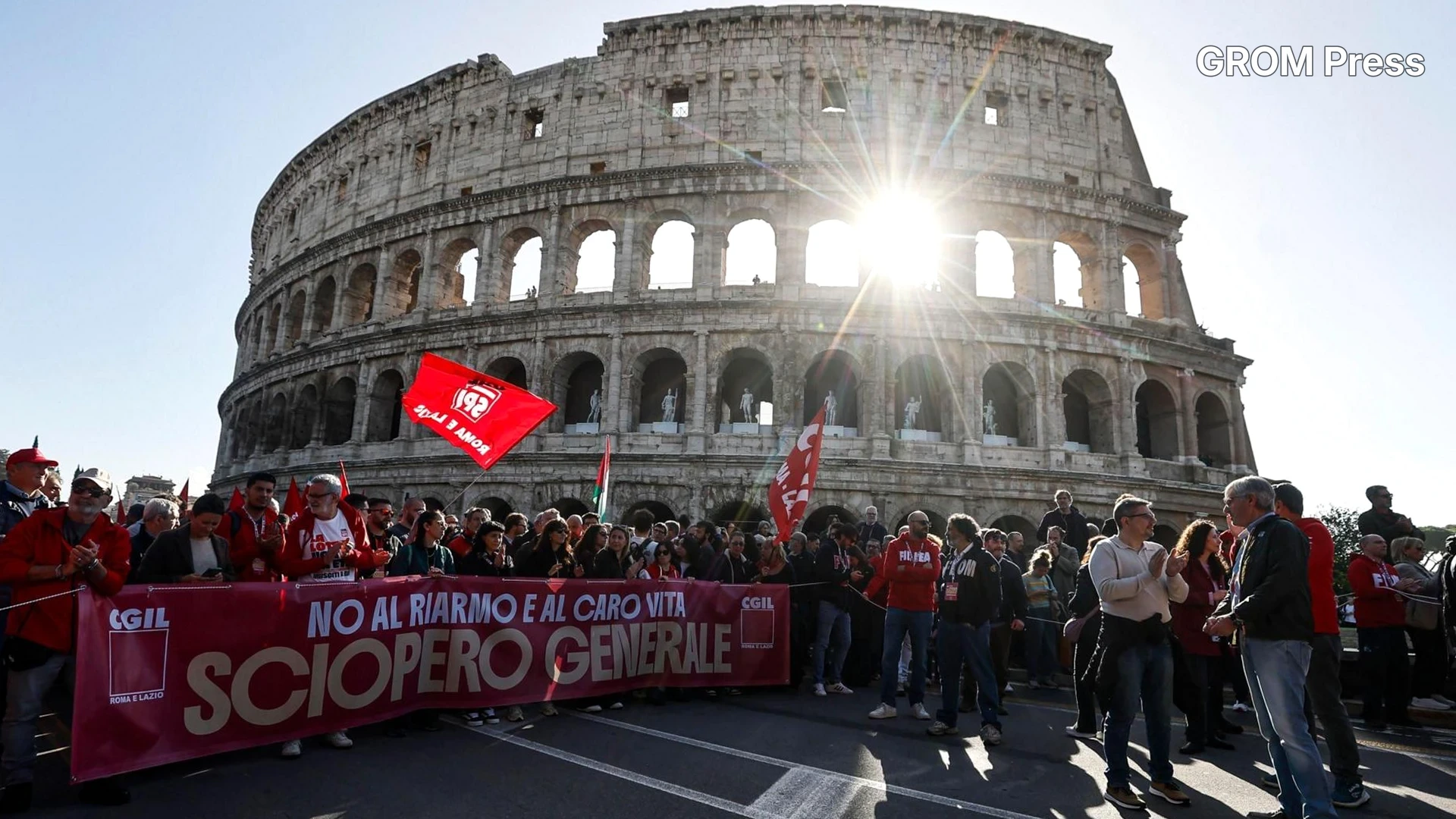
Protests erupted simultaneously in several major European cities on Friday, drawing large crowds of demonstrators primarily composed of young adults. The rallies were organized in response to escalating concerns over the cost of living, including skyrocketing rent, food prices, and the deteriorating state of public education. Housing shortages and insufficient government investment in education were also cited as key grievances.
In Rome, thousands joined a coordinated march organized by Italy’s largest trade union, according to BBC Europe correspondent Nick Beake, who reported from the scene. Beake noted the scale of turnout and the visible unity among participants, many of whom carried banners and slogans demanding immediate action from national governments. The demonstration was part of a broader wave of unrest that also swept through Germany, France, Croatia, and the United Kingdom.
The protests were not limited to urban centers but also extended to smaller towns and regional hubs, indicating a widespread dissatisfaction with economic policy. Demonstrators expressed frustration with inflation, stagnant wages, and the failure of public institutions to address basic needs. In several cities, organizers linked the cost-of-living crisis to broader systemic failures, including underfunding of education and inadequate housing policies.
While no major violence or police crackdown was reported, authorities in multiple countries deployed security forces to monitor the demonstrations. In Germany and France, local officials urged calm, while in Italy, police maintained a visible presence but did not intervene aggressively. The BBC correspondent noted that the peaceful nature of the marches contrasted with the intensity of public sentiment.
The protests are part of a growing pattern of civil unrest across Europe, fueled by economic inequality and a perceived lack of political responsiveness. Organizers across multiple countries have called for coordinated action, including demands for higher minimum wages, rent controls, and increased public spending on education and healthcare. The movement appears to be gaining momentum, with plans for further demonstrations in the coming weeks.
The scale and scope of the demonstrations underscore the depth of public discontent. While official government responses have been largely muted, the protests signal a potential turning point in public discourse on economic policy and social welfare. The BBC’s Europe correspondent emphasized that the demonstrations represent a significant moment of civic mobilization, particularly among younger generations who feel most affected by the current economic climate.
Source: GROM.PRESS