COP31 Deadlocked as Fossil Fuel Debate and Adaptation Funding Clash
Negotiations at COP31 in Turkey have stalled overnight as major blocs clash over fossil fuel language and climate finance. France and Panama led a push to retain references to phasing out fossil fuels, rejecting Saudi Arabia’s influence to remove such clauses. Meanwhile, the Africa Group, led by Ghana’s Zanetor Agyeman Rawlings, demands urgent funding for adaptation, rejecting the notion of ‘begging’ for resources. A final agreement, tentatively called the Antalya Accords, acknowledges the world has already overshot the 1.5°C warming limit.
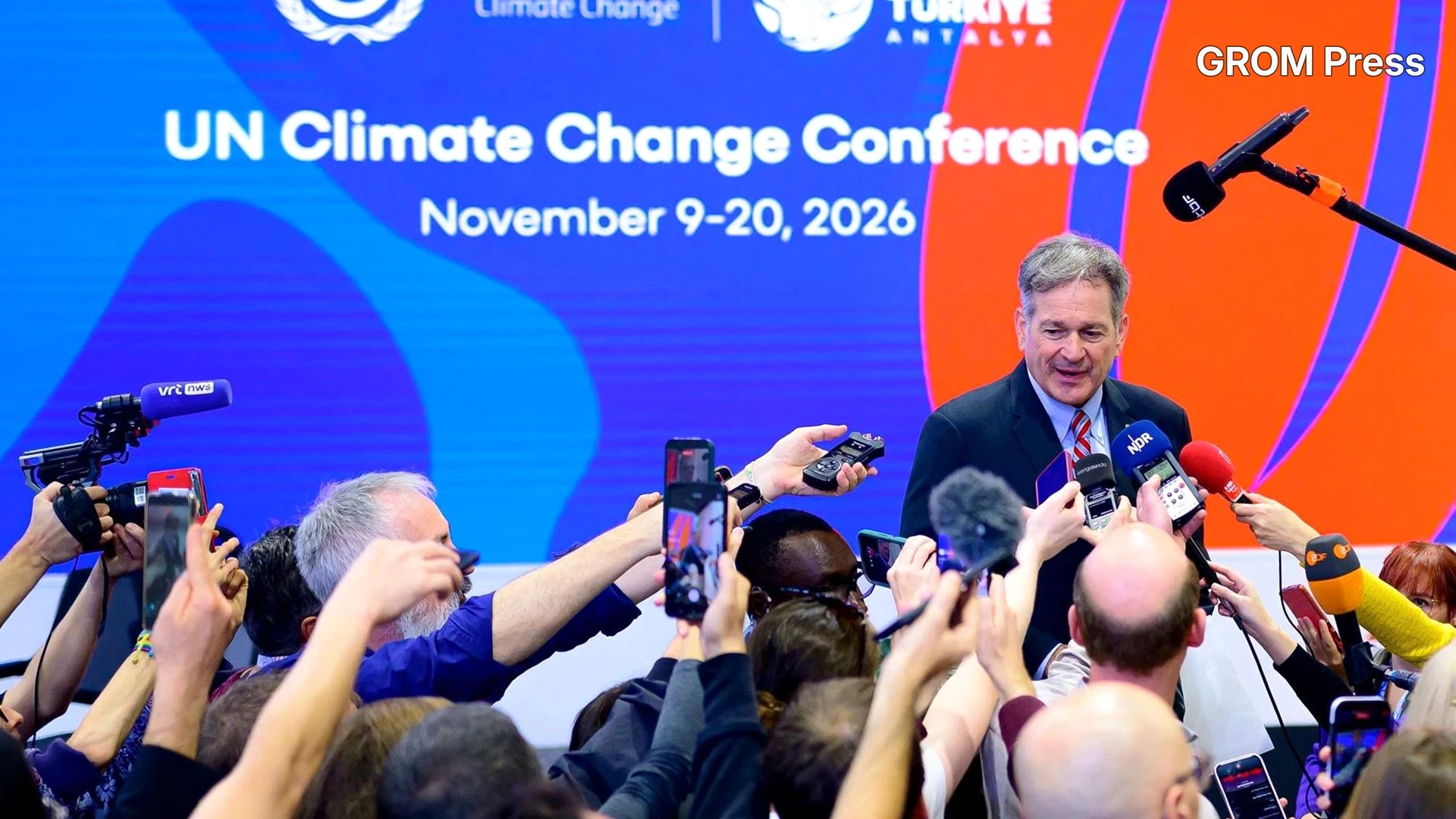
COP31 climate talks in Turkey have reached a standstill after a late-night session failed to produce consensus on a new global climate deal. The deadlock stems from fundamental disagreements over two key issues: whether to explicitly reference fossil fuel phase-out, and whether to include binding commitments for climate adaptation funding. A group of nations led by France and Panama intervened to defend language on fossil fuels, opposing a draft agreement that omitted any mention of reducing global demand for oil, gas, and coal. Juan Carlos Navarro, Panama’s environment minister, declared it 'not acceptable' to have a COP decision that ignores fossil fuels, while France’s Minister of Ecological Transition, Monique Barbut, criticized the inclusion of carbon capture, use, and storage technologies as a loophole permitting continued fossil fuel use. She warned that announcing a climate deal while ignoring the root cause - fossil fuels - would be a betrayal of global climate goals. The draft, now known as the Antalya Accords, formally acknowledges that the world has already surpassed the 1.5°C warming threshold - a scientific milestone labeled ‘overshoot’ - with experts warning that this will expose millions more to sea-level rise and extreme heat. While some EU nations including Spain, Sweden, and Finland supported the fossil fuel language, others declined to join, considering it counterproductive to negotiations. Australia’s climate minister Chris Bowen countered that this COP should focus on implementation - specifically the transition to clean energy - rather than fossil fuel terminology. A compromise proposal under discussion would exclude fossil fuels from the final text in exchange for petrostates like Saudi Arabia pledging 35% of their electricity to come from clean sources by 2035. However, this proposal does not address the other major sticking point: climate finance. Earlier versions of the agreement included a target to raise adaptation funding to $120 billion by 2035 - a figure now removed. Zanetor Agyeman Rawlings, Ghana’s environment minister and chair of the Africa Group, rejected the notion that developing nations are 'begging' for funds. He emphasized that African nations came to COP31 to claim what they consider their rightful share of resources, given that their populations are bearing the brunt of climate harms caused by industrialized nations. The final agreement, expected to be published Saturday, remains in flux, reflecting the widening rift between developed and developing countries, and the urgency of addressing both fossil fuel dependence and adaptation finance.
Source: GROM.PRESS